
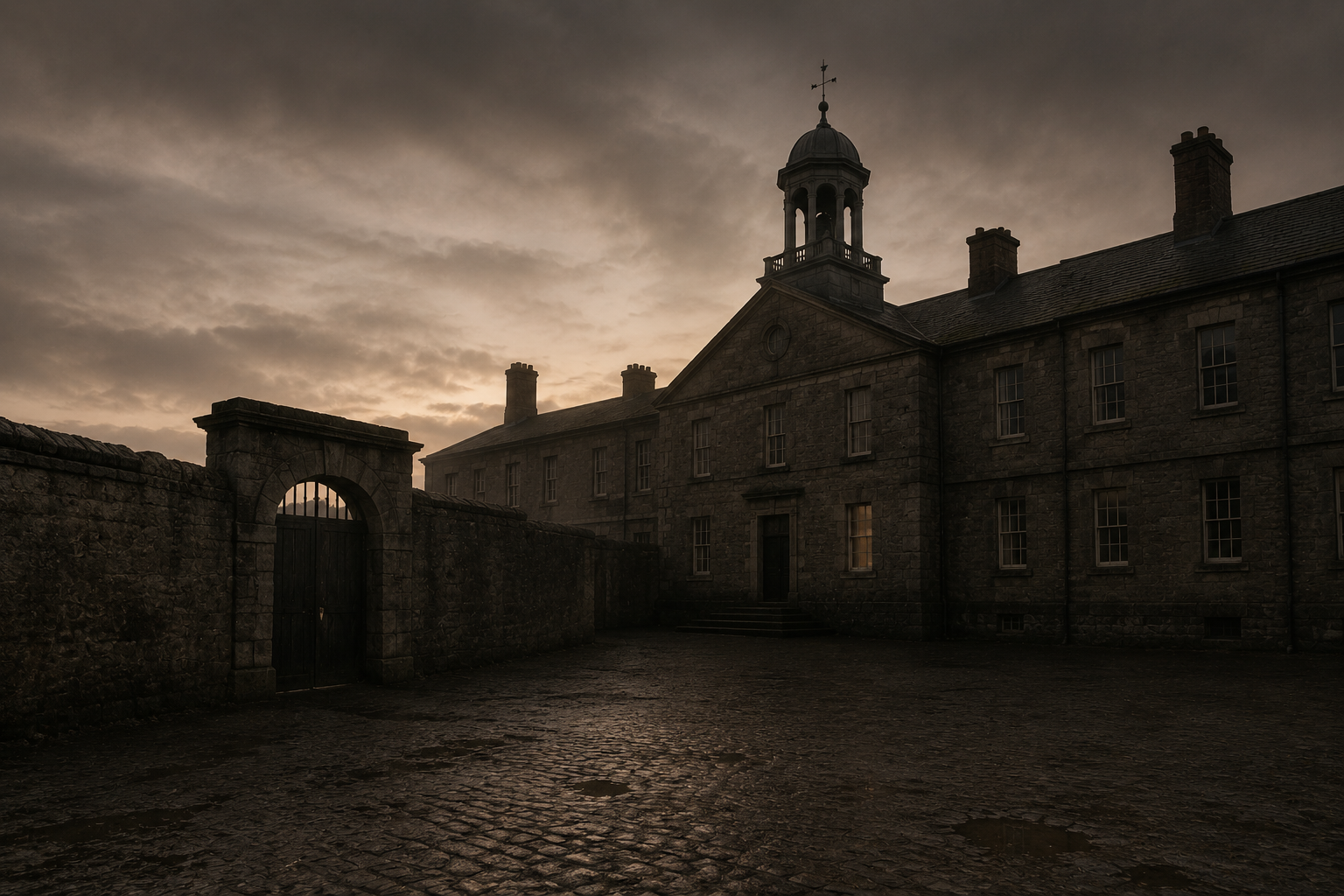
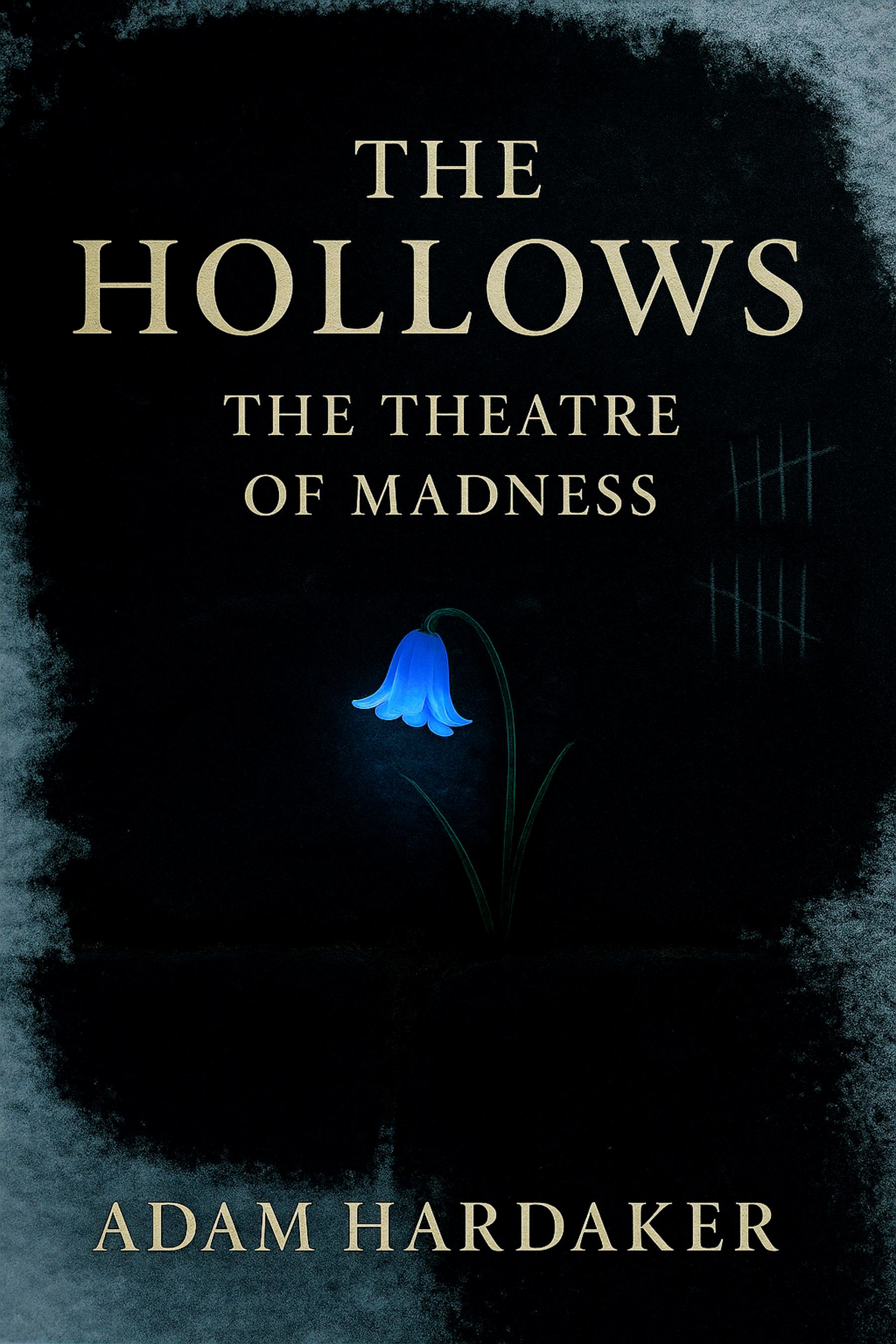
THE HOLLOWS · BOOK I
THE THEATRE
OF MADNESS
Before the records. Before the reforms. There was The Hollows.
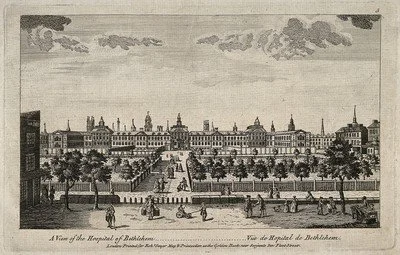
Liverpool, 1758.
Behind the walls of The Hollows, ideas about madness, treatment and control are beginning to take shape.
For those brought through its doors, a name can become a diagnosis. A life can become a record. And being forgotten can be easier than being heard.
But Eliza Wakefield refuses to disappear quietly.
Her story marks the beginning of something that will survive long after the people who built The Hollows are gone.
This is where The Hollows begins.
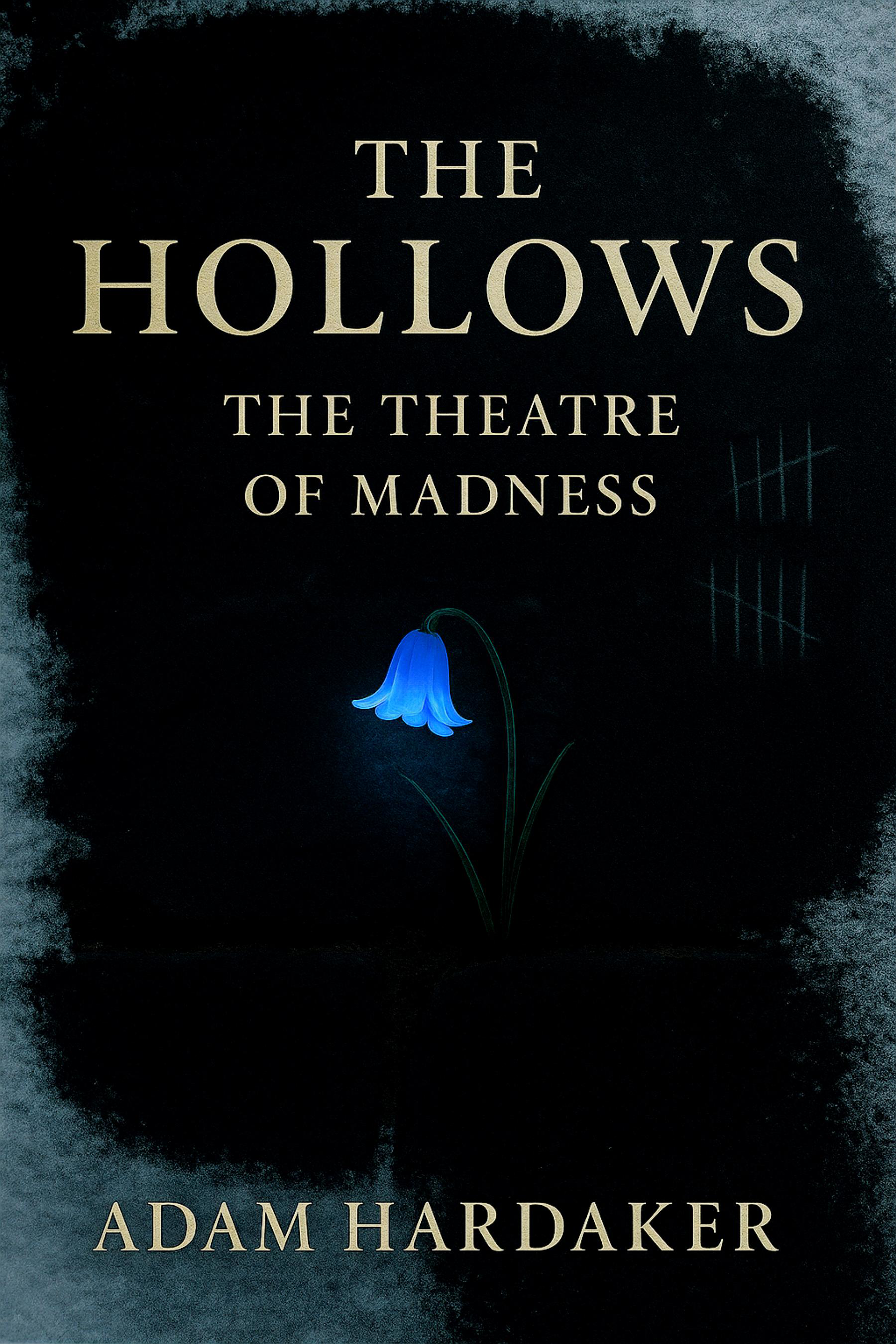
THE HOLLOWS · BOOK I THE THEATRE OF MADNESS | HISTORICAL FICTION | DARK FICTION | 1758
THE STORY
BEFORE SHE WAS A RECORD,
SHE HAD A NAME.
Liverpool, 1758. The Hollows is only beginning to write its history.
Eliza Wakefield enters a world where those considered difficult, troubled or mad can quickly lose control over how their own story is told.
Inside The Hollows, observation becomes judgement. Treatment becomes spectacle. And the people behind its doors are increasingly reduced to symptoms, classifications and entries in somebody else's records.
But Eliza refuses to become just another name written down by somebody else.
As the institution begins to define what it believes madness looks like, she begins a quieter act of resistance — holding on to her identity in a place designed to take it from her.
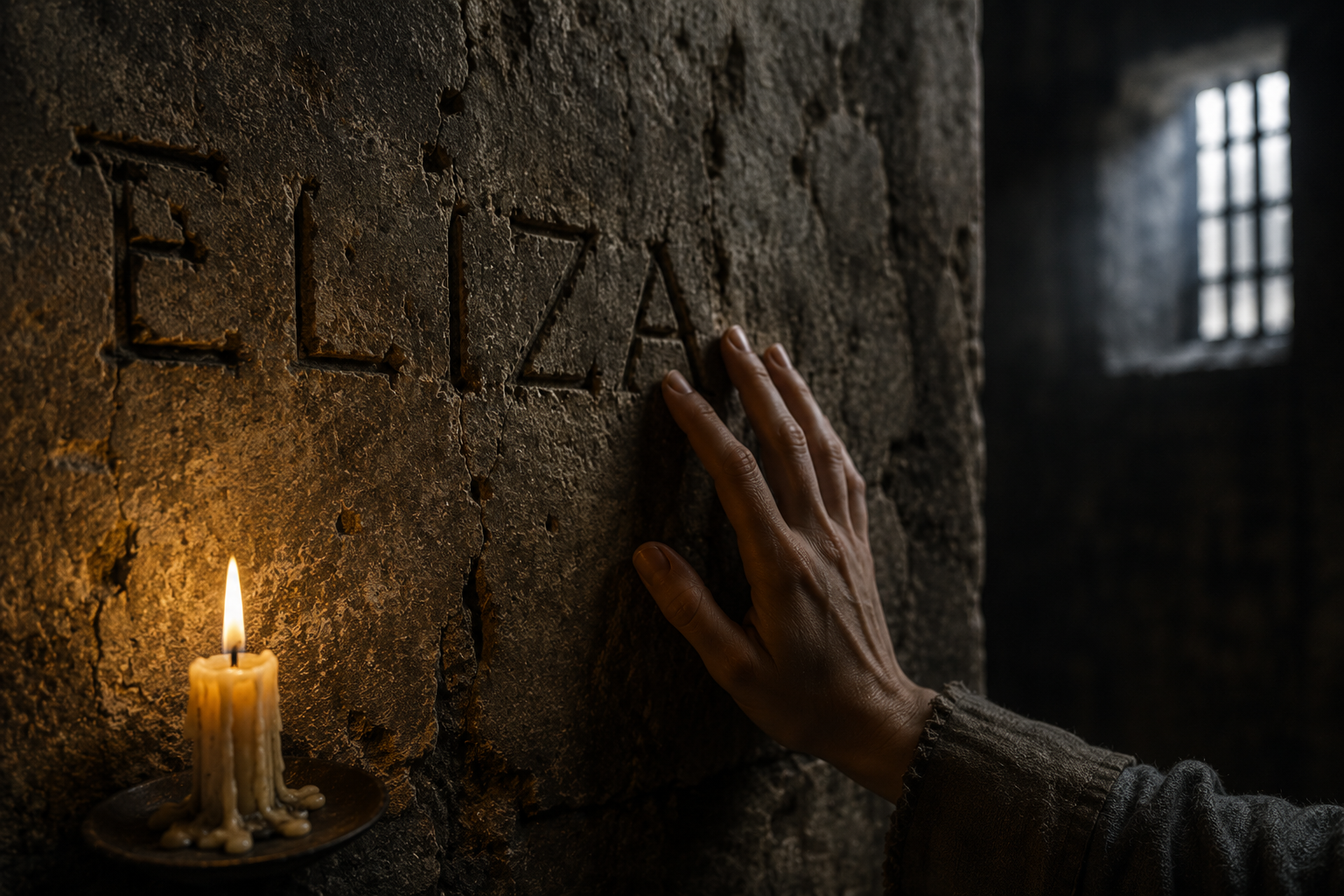
Long before The Hollows learned how to keep records, Eliza made sure it remembered her.
IT'S NOT REALLY ABOUT MADNESS
Well... not entirely.
Madness is the word history gave places like The Hollows.
A convenient word for the people locked behind their doors.
But The Theatre of Madness isn't really about whether the people inside were mad.
It's about who got to decide that they were.
The frightened.
The grieving.
The inconvenient.
The poor.
The people whose behaviour somebody else couldn't understand.
Once the label was applied, almost anything could be justified in its name.
Treatment.
Control.
Punishment.
Silence.
And behind all of it were people whose lives became somebody else's records.
But the people who lived through it still mattered.
INSIDE THE HOLLOWS
MADNESS WAS SOMETHING TO BE WATCHED.
And sometimes, something to be performed.
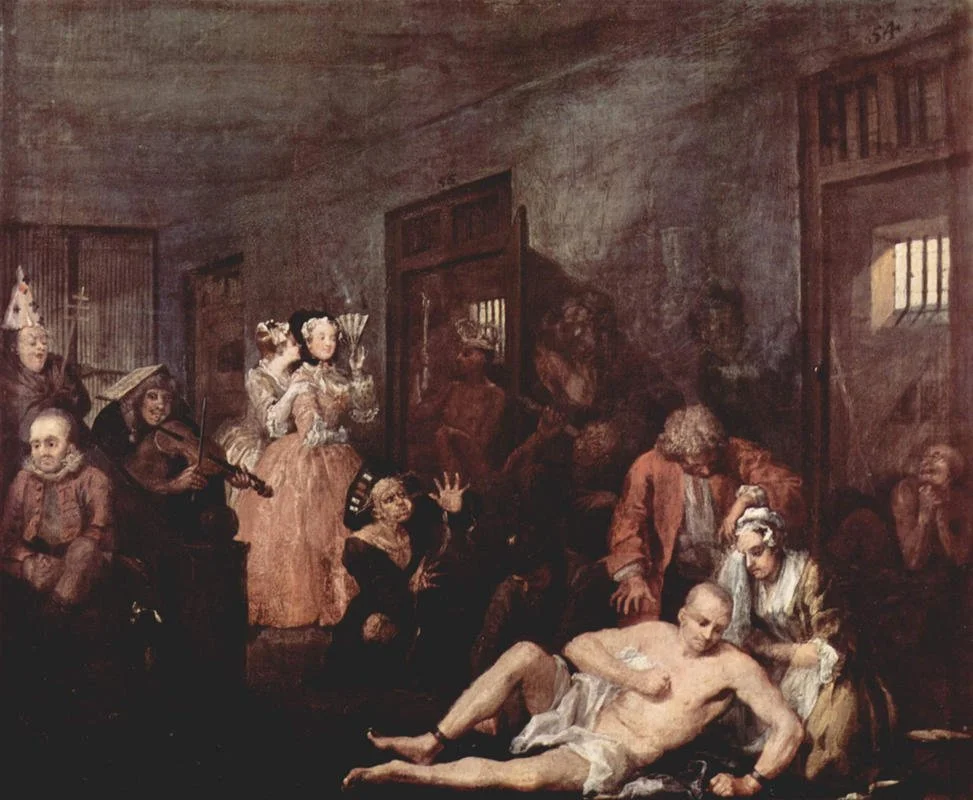
In the world of The Theatre of Madness, ideas about mental illness are shaped as much by fear, curiosity and control as they are by any understanding of the people experiencing it.
Inside The Hollows, those ideas have consequences.
People are observed. Judged. Categorised.
Their behaviour can become evidence against them, while those claiming to understand madness hold almost complete power over what happens next.
For Eliza, survival means understanding something the people watching her have forgotten:
there is a person behind the performance.
WHY I WROTE IT
Because the most frightening part wasn't something I needed to invent.
BEHIND THE BOOK
When I started writing The Theatre of Madness, I wasn't interested in creating an asylum simply because it made a good setting for a dark story.
What interested me was the thinking that allowed places like it to exist.
The way people could be labelled, categorised and spoken about by everyone except themselves.
The way treatment, entertainment, punishment and control could exist frighteningly close to one another.
And the uncomfortable fact that much of what now seems unthinkable was once carried out by people who believed they were being rational, scientific or even helpful.
The Hollows is fictional.
Eliza is fictional.
But the attitudes surrounding them came from somewhere very real.
That's what I wanted The Theatre of Madness to explore.
— Adam
AT THE HEART OF THE STORY
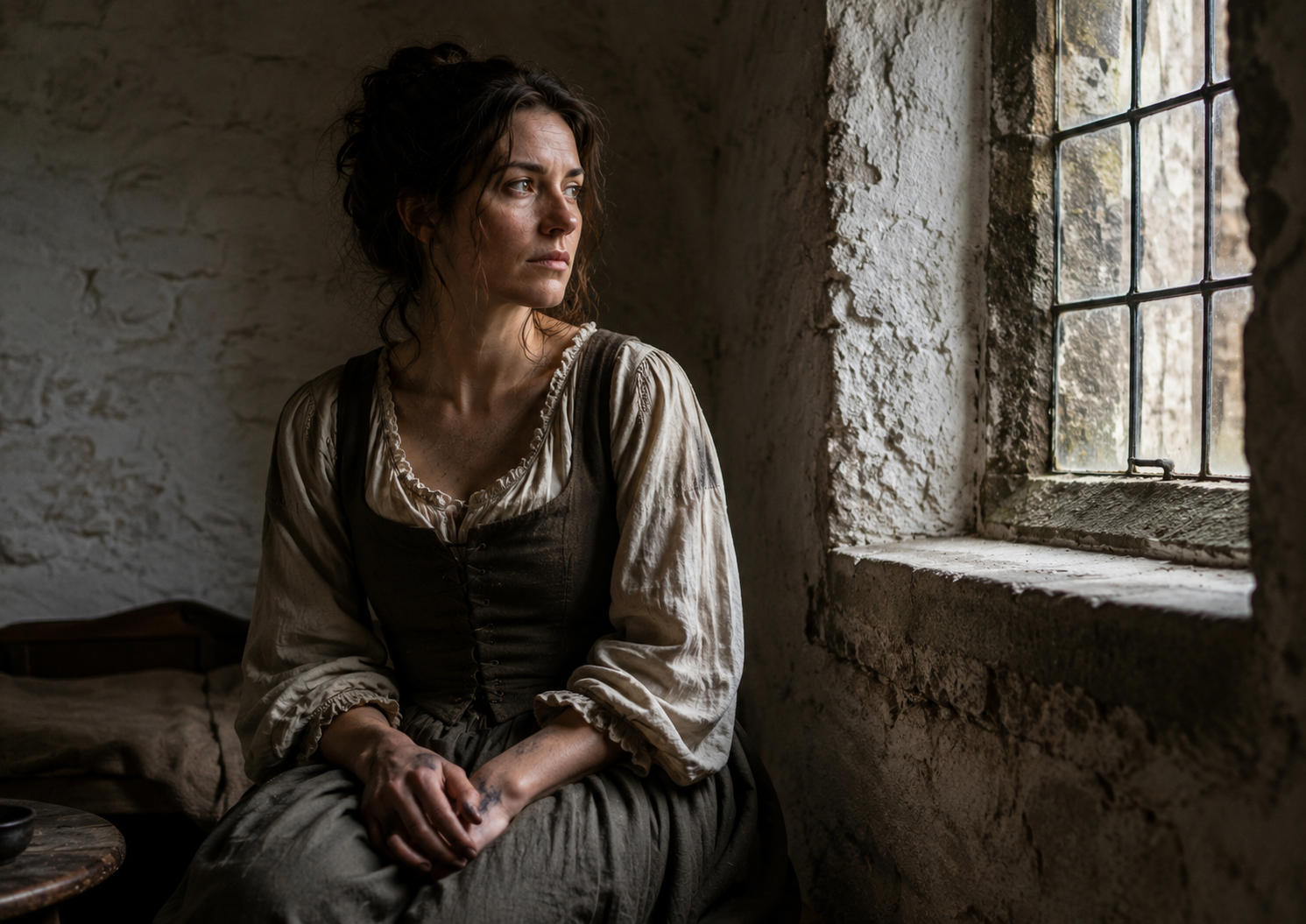
ELIZA WAKEFIELD
They can write what they like about her.
They don't get to decide who she is.
Eliza enters The Hollows in a world where other people are increasingly given the power to explain her behaviour, define her condition and decide what happens to her next.
To them, she can become an observation.
A diagnosis.
A problem to be understood.
But Eliza knows something their records cannot capture.
She knows who she is.
And as The Hollows begins writing its version of her story, Eliza finds her own way of making sure another version survives.
Before The Hollows became a history,
Eliza Wakefield left her name inside it.
DON'T TAKE MY WORD FOR IT.
ENTER THE HOLLOWS.
Read an extract from The Theatre of Madness.
Drawers. Endless rows of them. Each labelled. Each locked.
“Here,” she said, unlocking one. “Yours.”
Inside: a single slip of paper.
ELIZA WAKEFIELD – PATIENT 647B
INSUBORDINATE / INVENTIVE / FRACTURED
Treatment Path: OBSOLETE
Stamped in red: REWRITTEN
“What does this mean?” Eliza asked, her voice hollow.
“It means,” Miss Gorsell said, “you’re off the script.”
“There was a script?”
“There always is. But few notice it.”
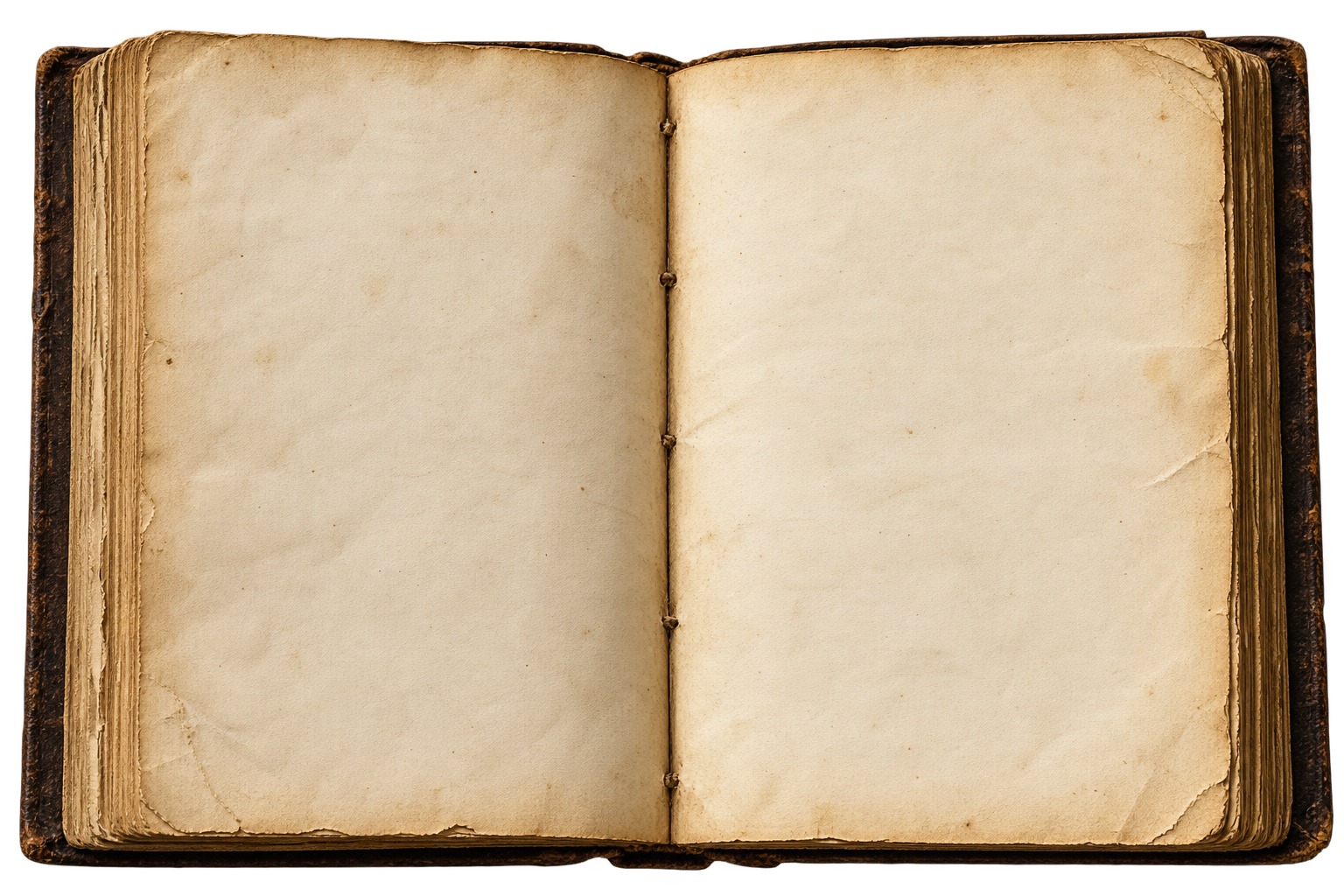
Cillian’s handwriting appeared in her journal days later. No one saw him. No one touched the book. But there it was, jagged and desperate.
Cillian’s handwriting appeared in her journal days later. No one saw him. No one touched the book. But there it was, jagged and desperate.
You remember more than they want you to. Keep going.
And below that:
They watch your words. So I’ll write where they cannot look.
The next entry was backwards.
The one after was blank until she steamed it above a candle, revealing words ghosting through the fibres.
Eliza began to hide her own writings: beneath floorboards, inside pillow seams, even folded in her mouth.
The Hollows has started writing Eliza's story.
She has other ideas.
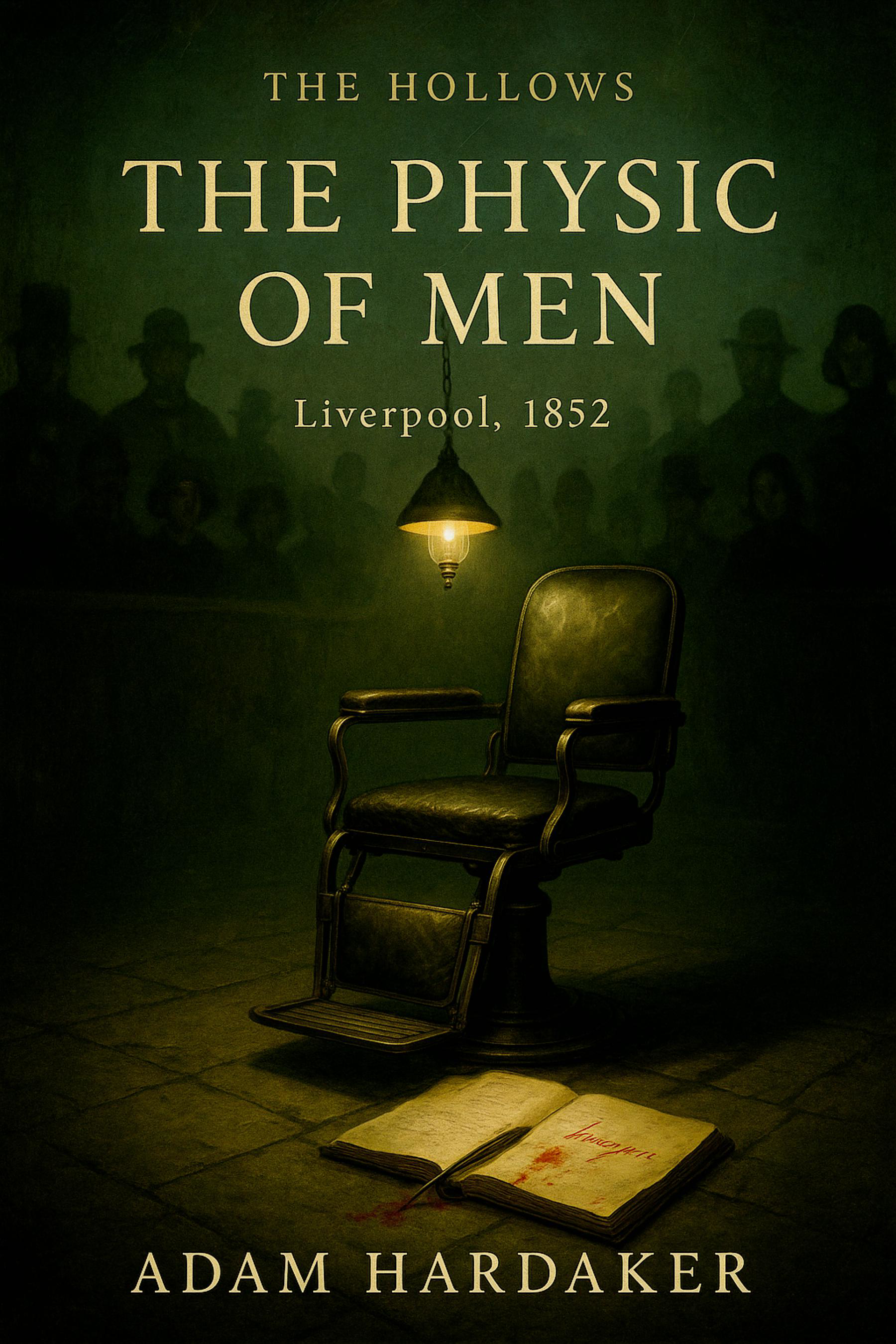
THE HOLLOWS · BOOK II
THE STORY CONTINUES.
The Hollows has only just begun.
Eliza Wakefield's story marks the beginning of The Hollows.
But the institution survives.
New ideas arrive. New methods are introduced. New people pass through its doors.
And the next generation will discover that progress doesn't always mean the past has disappeared.
I - THE THEATRE OF MADNESS
II — THE PHYSIC OF MEN