
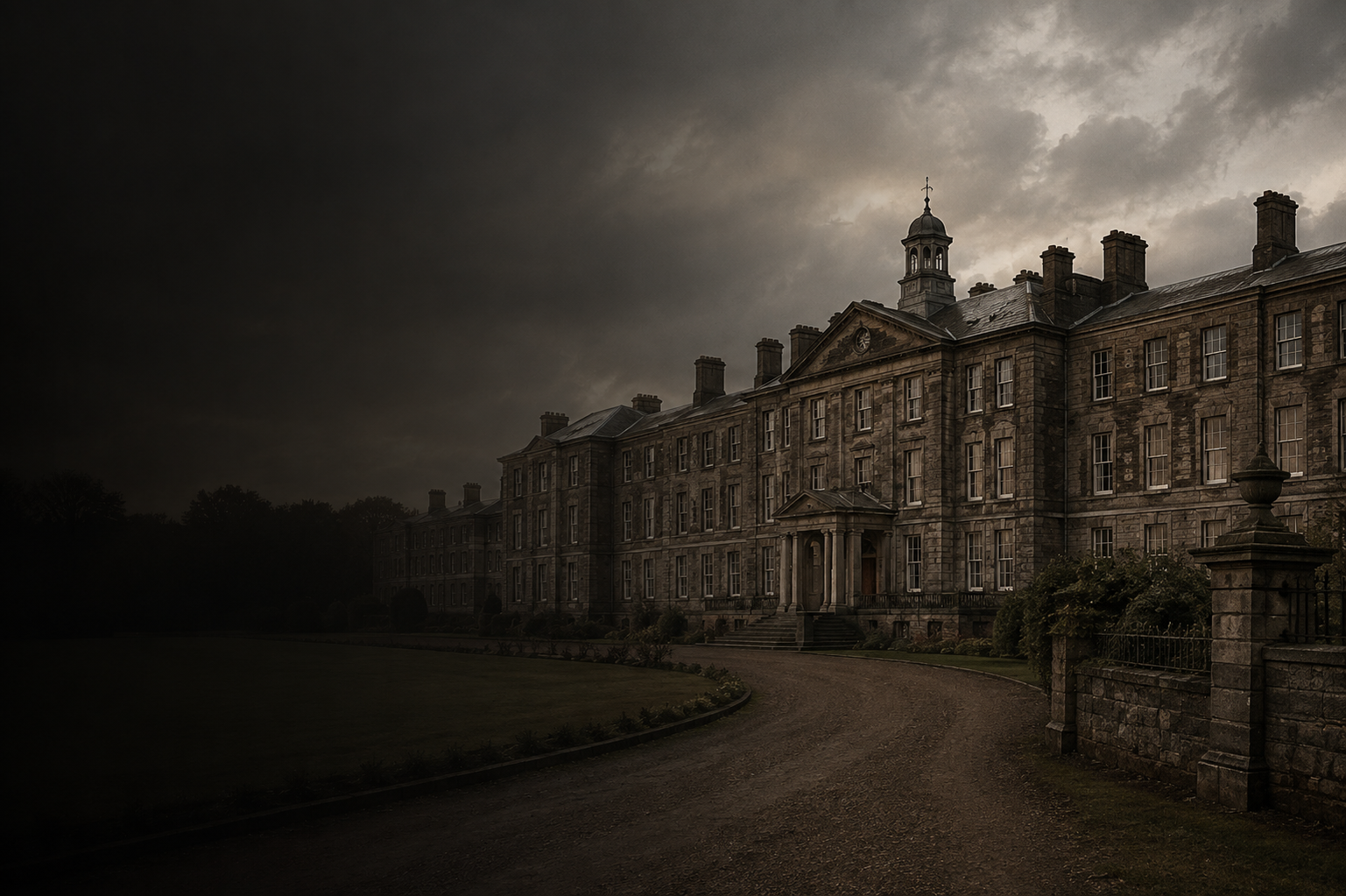
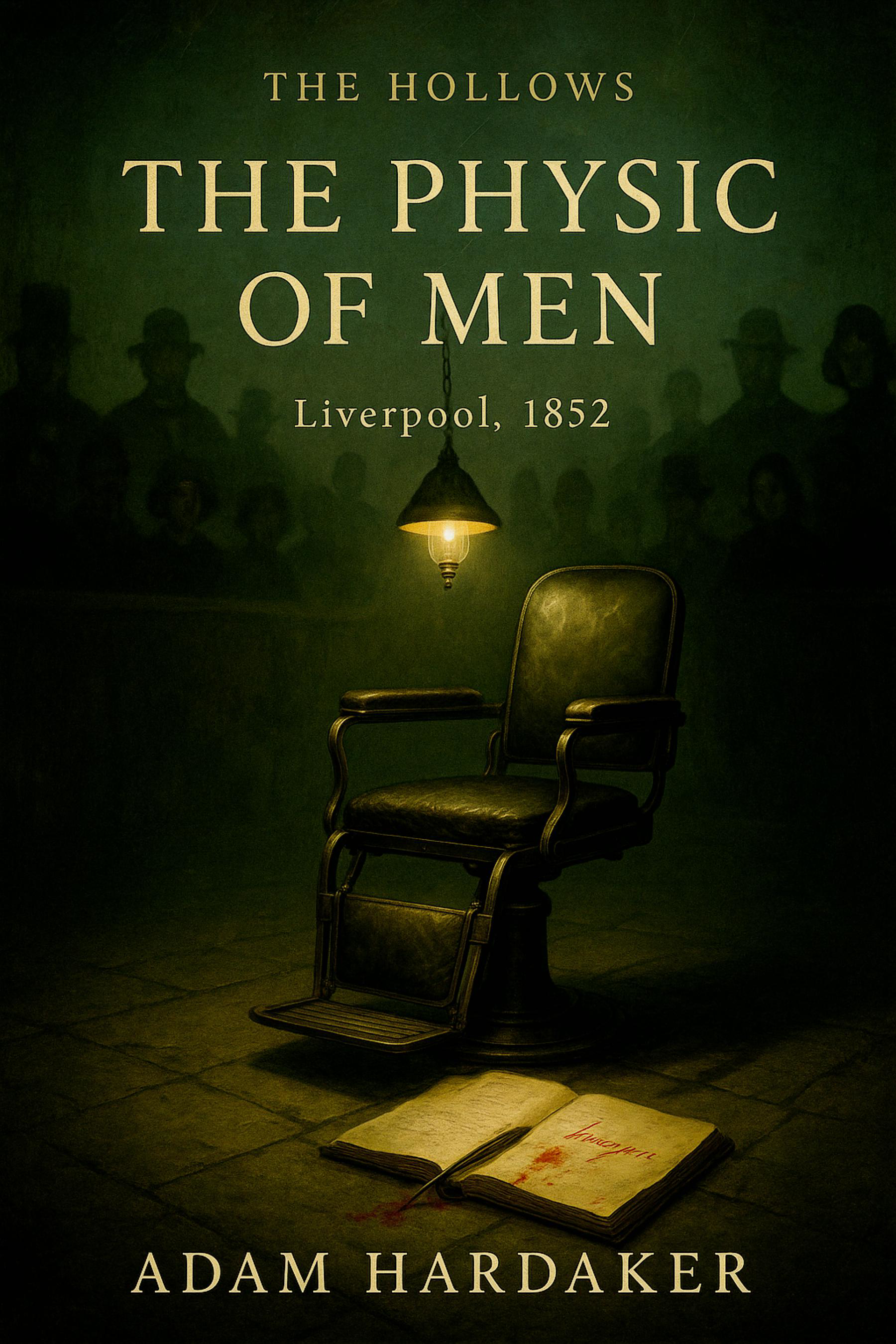
THE HOLLOWS · BOOK II
THE PHYSIC OF MEN
The methods changed. The certainty didn't.
The Hollows has changed.
Its corridors are larger. Its records more detailed. And those responsible for the people behind its doors are increasingly certain that madness can be understood, classified and corrected.
New ideas bring new methods. Observation gives way to experimentation, and the search for answers begins to blur with the desire for control.
But inside The Hollows, not everyone is willing to accept what is being done in the name of progress.
The Hollows is learning new ways to control the people inside it.
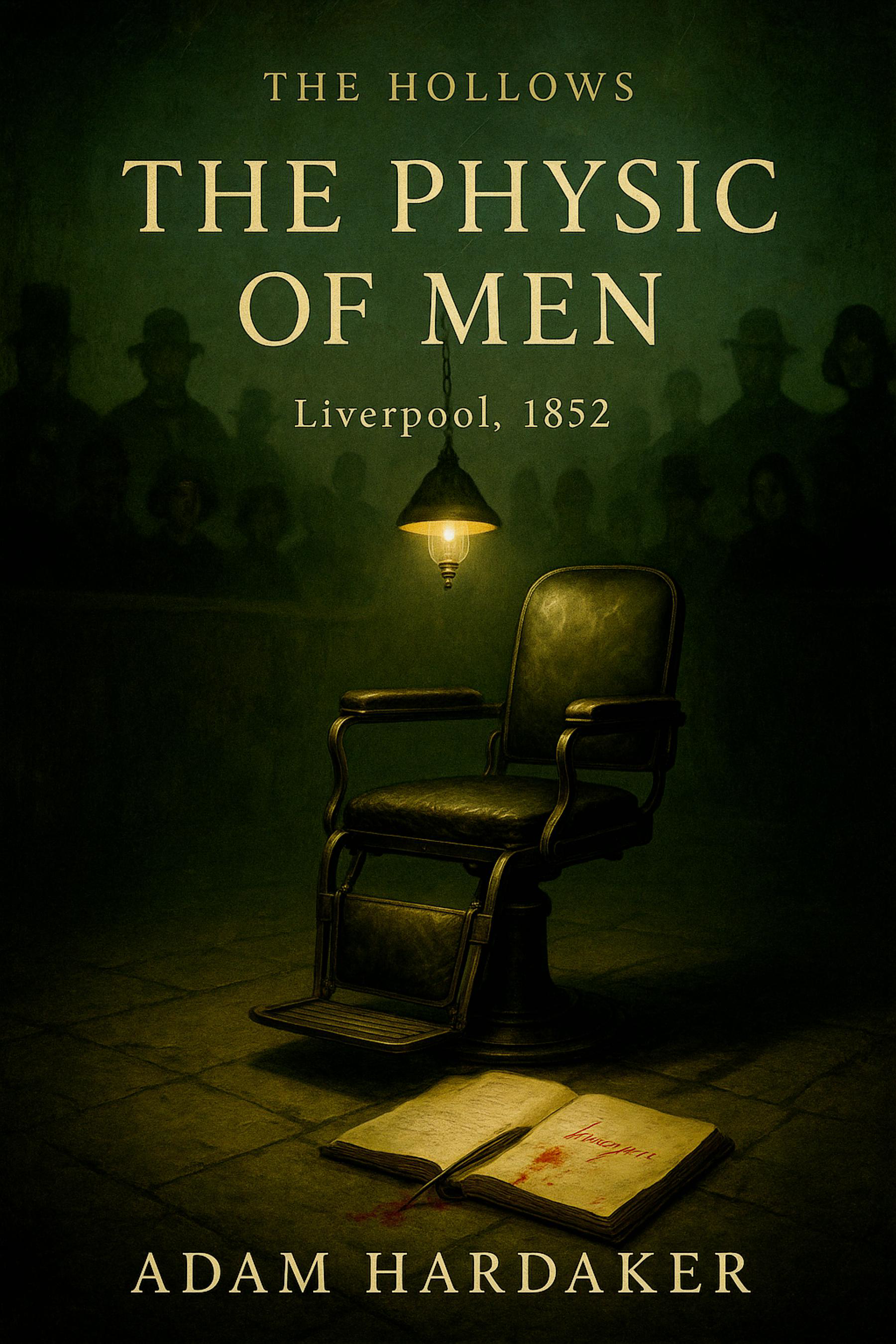
THE HOLLOWS · BOOK II THE PHYSIC OF MEN | HISTORICAL FICTION | DARK FICTION | 1852

THE STORY
THEY CALLED IT PROGRESS.
The Hollows has changed.
What happens behind its doors has changed with it.
The old ideas haven't disappeared. They've been given new names.
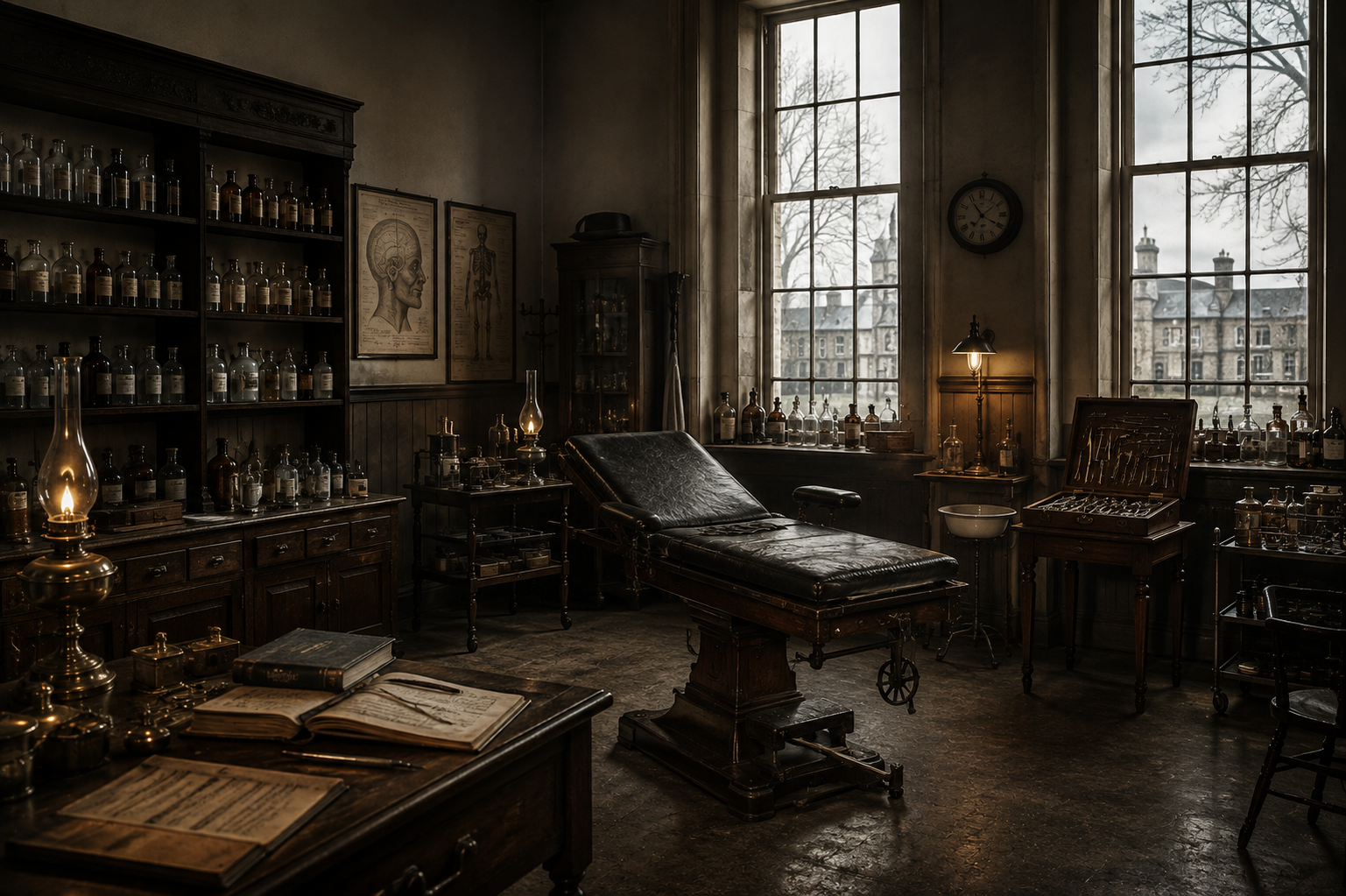
Inside The Hollows, the study of the mind is becoming more organised, more ambitious and increasingly certain of its own authority.
Patients are observed. Behaviours are recorded. Theories are tested. And the men responsible begin searching for explanations they believe can be found inside the people placed in their care.
But knowledge and cruelty can occupy the same room.
As new methods take hold, those living inside The Hollows are left to discover what progress means when you're the person being studied.
The language may have changed. The balance of power hasn't.
IT'S NOT REALLY ABOUT SCIENCE.
Well... not entirely.
Science gives The Physic of Men its language.
The theories. The observations. The experiments. The men increasingly convinced that
the human mind can be measured, explained and corrected.
But this isn't a story about medicine for the sake of darkness.
It's about what happens when certainty becomes more important than the person standing in front of you.
The people observed instead of understood.
The lives turned into evidence.
The suffering justified as necessary.
And the men who could call something progress simply because they were the ones writing the rules.
Methods change. Knowledge grows. Yesterday's certainty eventually becomes tomorrow's mistake.
But inside The Hollows, somebody has to live through it first.
Progress depends very much on which side of the door you're standing.

INSIDE THE HOLLOWS
SOME THINGS NEVER MADE THE OFFICIAL RECORD.
Progress promised understanding. But understanding came with power.
In the world of The Physic of Men, understanding has begun to replace superstition — but with it comes a new confidence in the men who believe they can explain the human mind.
Inside The Hollows, observation becomes method.
People are studied. Measured. Recorded.
New theories promise progress, but the people subjected to them have little say in what is considered treatment, what is considered necessary, or who gets to decide when the two become something else entirely.
For those living behind its walls, a different question begins to matter:
what happens when the people searching for answers stop questioning themselves?
WHY I WROTE IT
Because progress isn't always as simple as history makes it look.
BEHIND THE BOOK
When I began writing The Physic of Men, I wanted to explore what happened when the treatment of mental illness started to become more organised, more scientific and more certain of itself.
There were genuine attempts to understand people better. New ideas challenged old ones, and what happened inside institutions began to change.
But change didn't automatically mean humanity.
People could still be observed rather than listened to. A theory could carry more weight than the person it was supposed to explain. And treatments could be defended simply because the people administering them believed they knew best.
That interested me far more than simply writing about strange historical treatments.
The Physic of Men is about that uncomfortable space between wanting to understand somebody and believing you have the right to define them.
The Hollows may have moved forward.
But progress means very little if the person at the centre of it gets left behind.
— Adam

AT THE HEART OF THE STORY
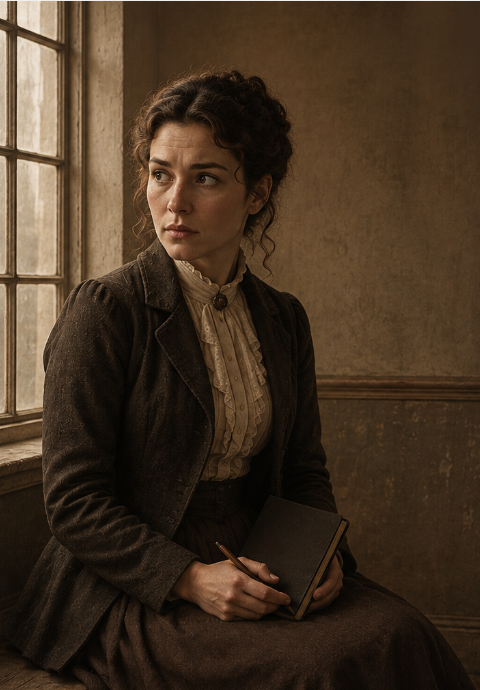
EDITH MALLORAN
She came to observe.
She learned when not to look away.
Edith enters a Hollows that believes it is moving forward.
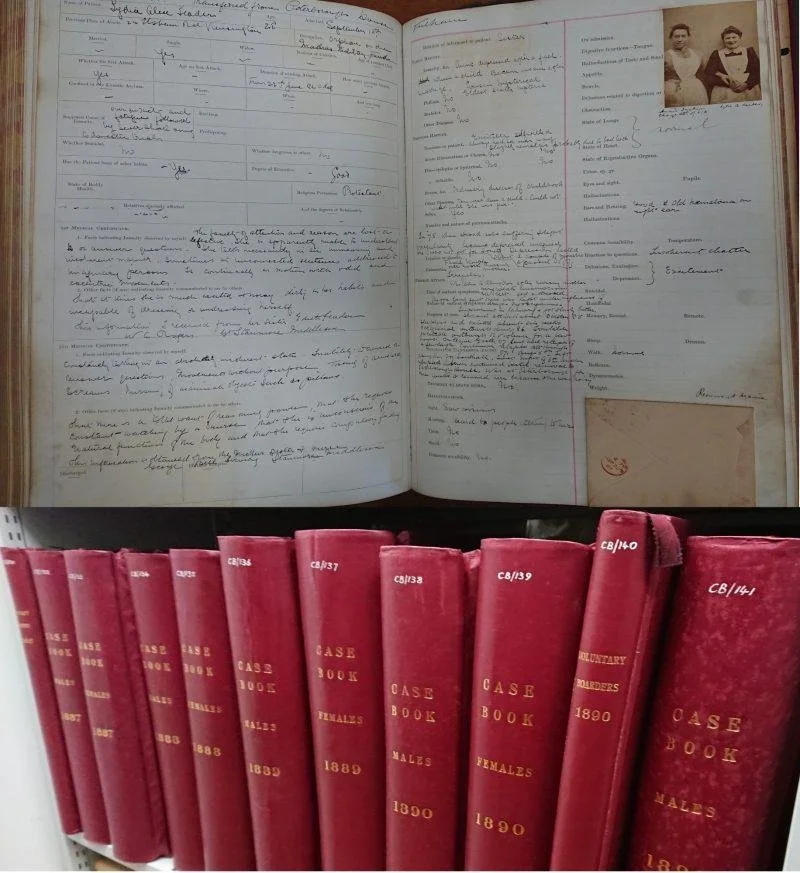
The language is different. The methods are more sophisticated. Everything is measured, recorded and presented as evidence.
At first, Edith is expected to do the same.
Watch. Take notes. Learn.
But the closer she gets to the people being studied, the harder it becomes to accept the distance between what is written about them and who they actually are.
Her rebellion doesn't begin with shouting.
It begins with something much smaller.
She stops writing.
And inside a place where the record is treated as truth, a blank page can be a dangerous thing.
Before The Hollows could define her,
Edith Malloran learned the power of leaving the page blank.
DON'T TAKE MY WORD FOR IT.
ENTER THE HOLLOWS.
Read a little of The Physic of Men for yourself.

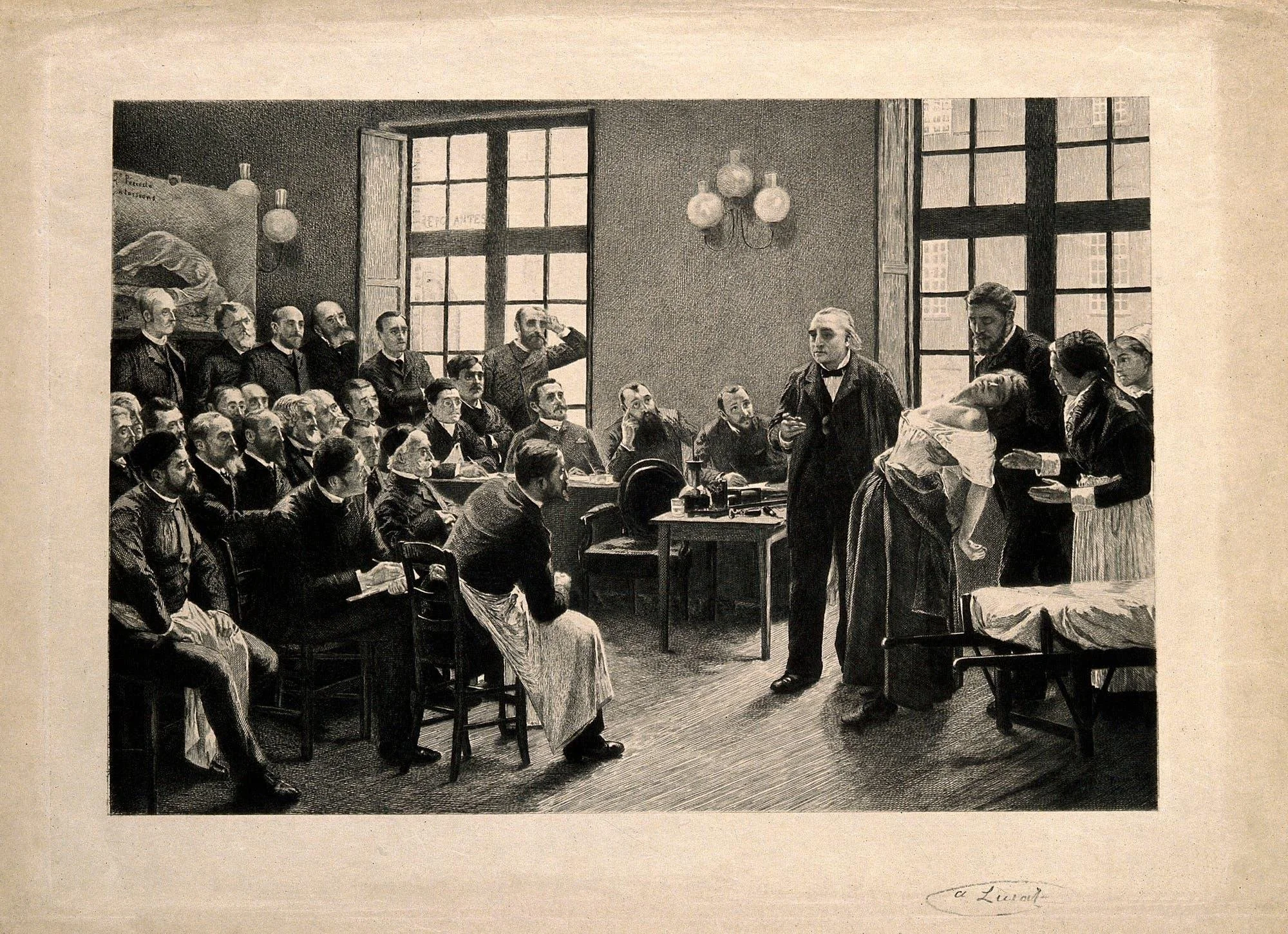
Then they brought Mary-Ann.
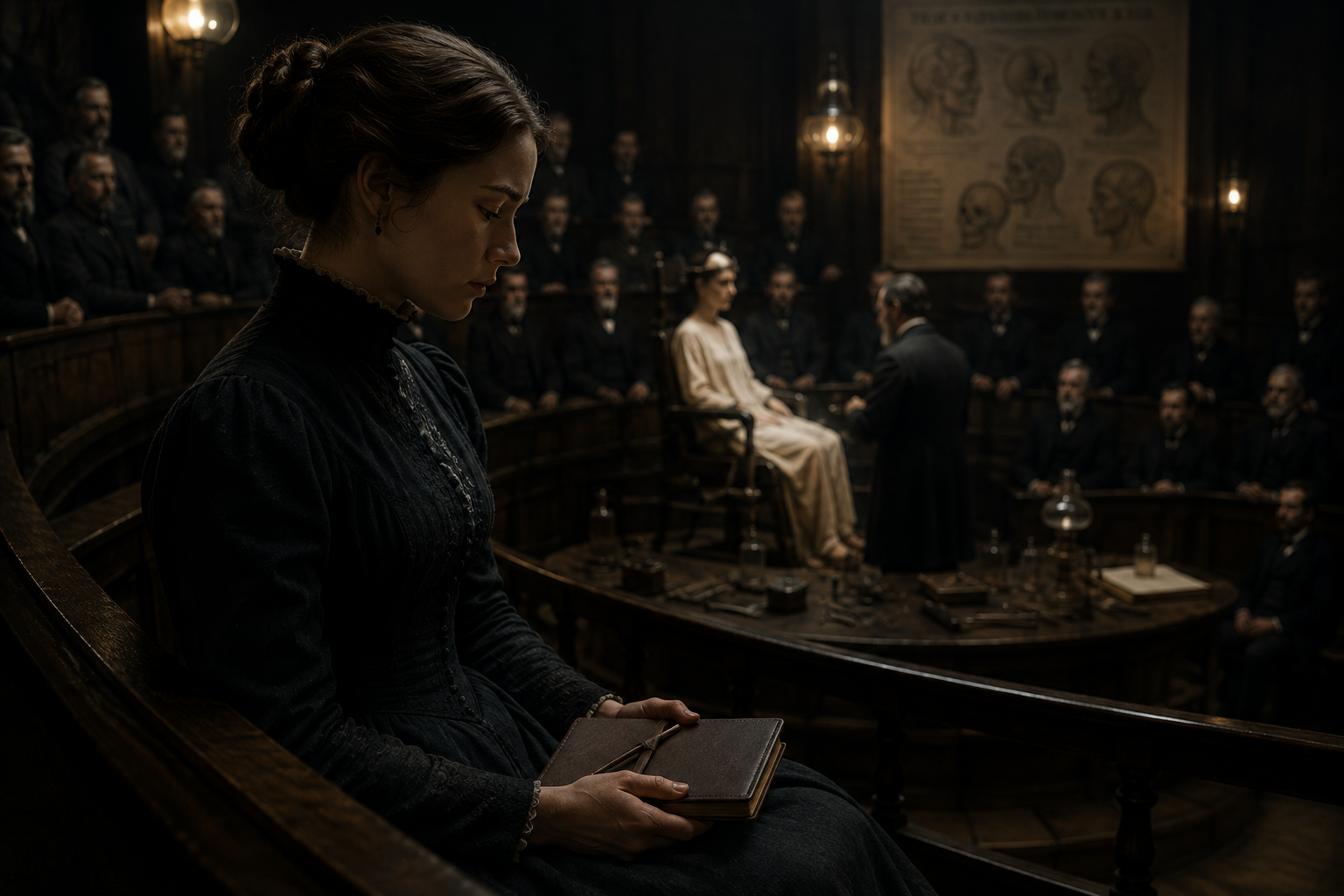
Her scalp bore the scars of screws, her wrists bruised by straps. She looked smaller than Edith remembered, her eyes huge, dazed with laudanum. She swayed as she was forced into the chair.
Prowse's tone softened, almost indulgent. “And here we see the female of hysterical type. Excessive amativeness ridge, narrow frontal breadth, a constitution prone to indulgence and frenzy. Left unchecked, such weakness breeds further weakness. It is our duty to restrain, correct, and where possible - prevent propagation.”
A murmur of approval ran through the audience. One of the benefactors' wives even tittered behind her fan.
Mary-Ann whimpered.
Edith's nails bit her palms. She wanted to cry out, to tear the straps free, to demand they look at her as a girl, not a specimen. But the weight of eyes, the stench of authority, held her silent.
The Hollows believes it has found the answers.
Edith Malloran has started asking questions.
THE HOLLOWS
THE STORY CONTINUES.
The Hollows has only just begun.
Progress has a habit of leaving something behind.
Edith Malloran's story belongs to another chapter of The Hollows.
But the institution survives.
Ideas change. Methods are abandoned.
New beliefs take their place.
The records remain.
And the next generation will discover that even when people believe they are building something better, The Hollows has a way of carrying the past with it..
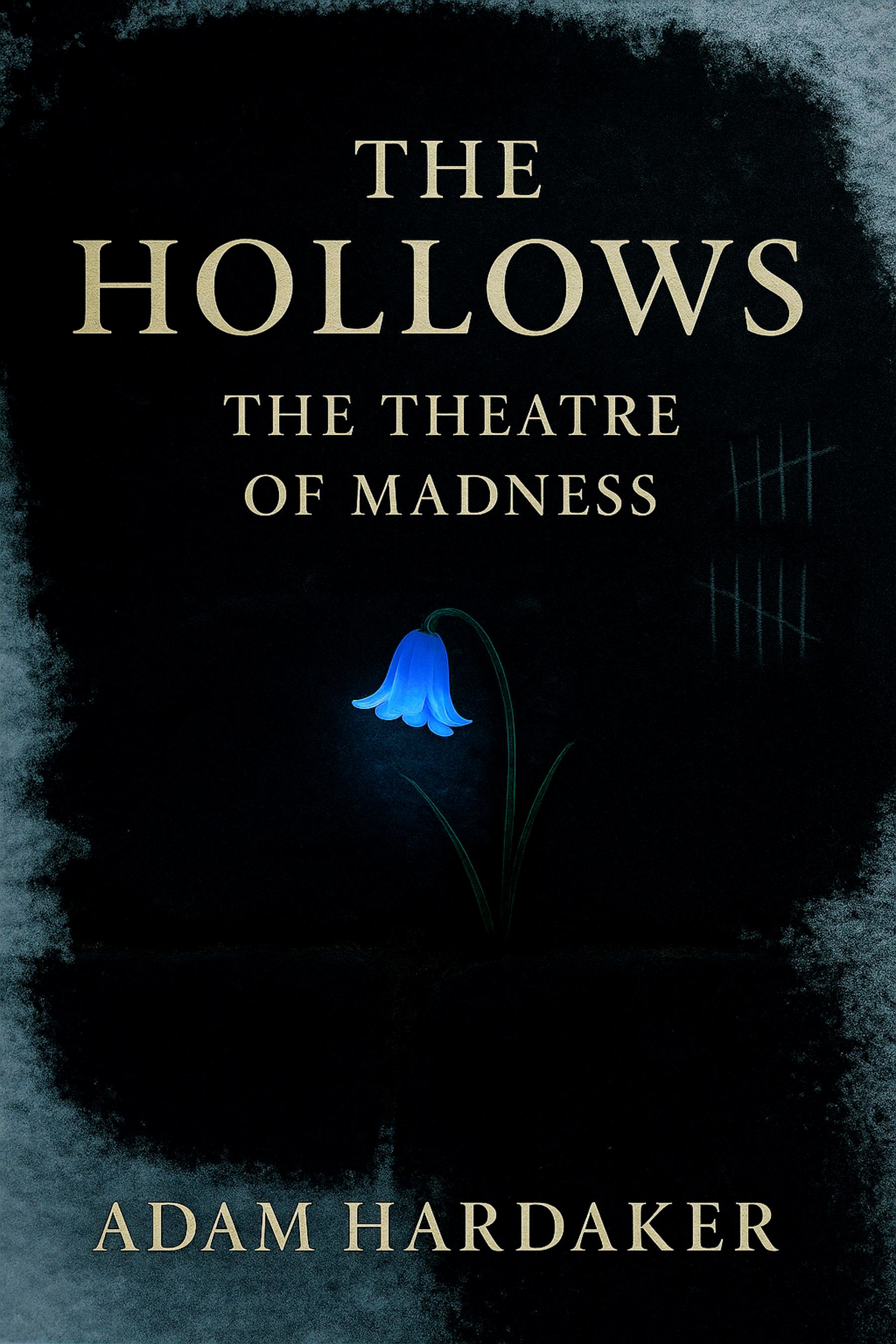
I - THE THEATRE OF MADNESS
II — THE PHYSIC OF MEN
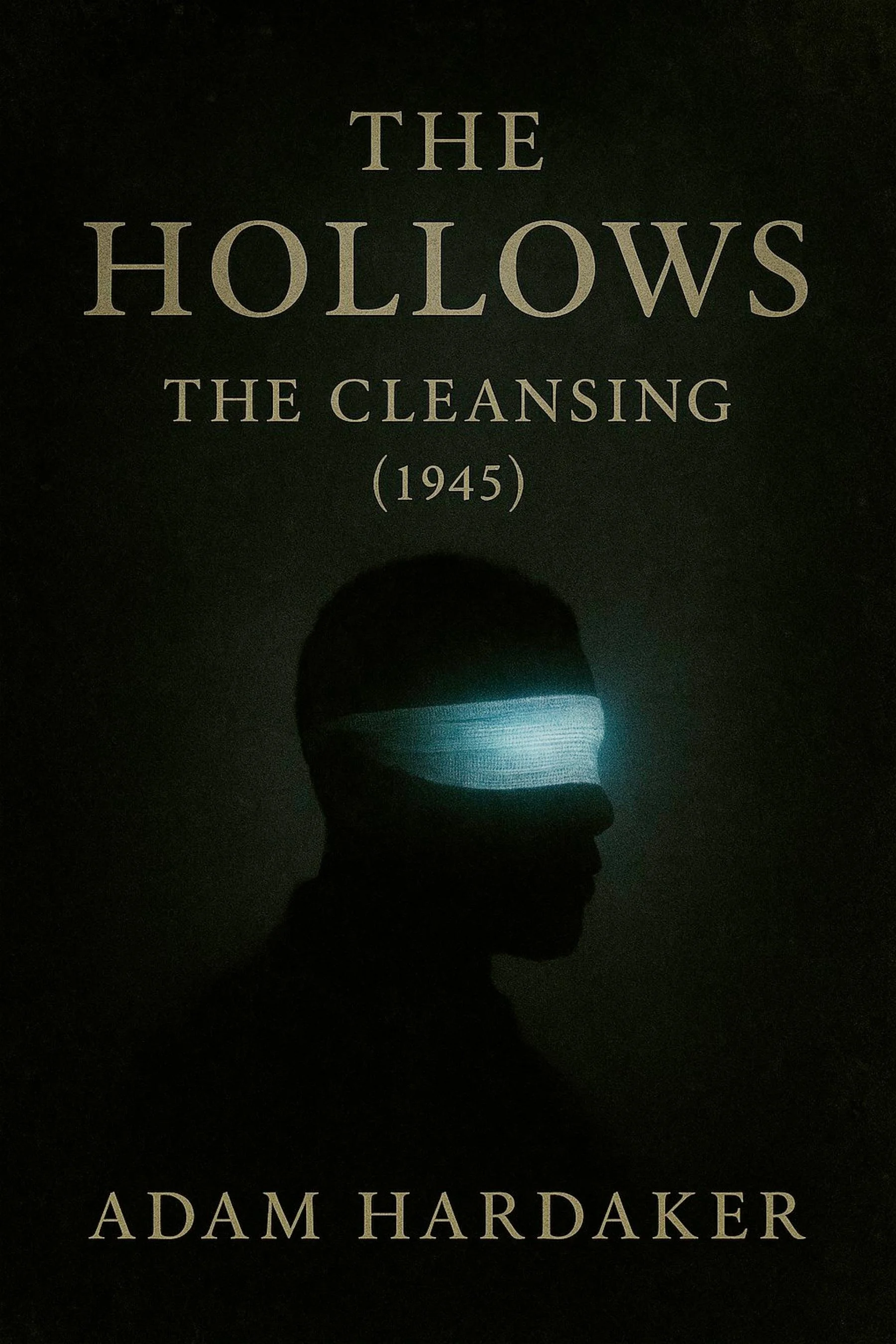
III — THE CLEANSING
Progress was only the beginning.