
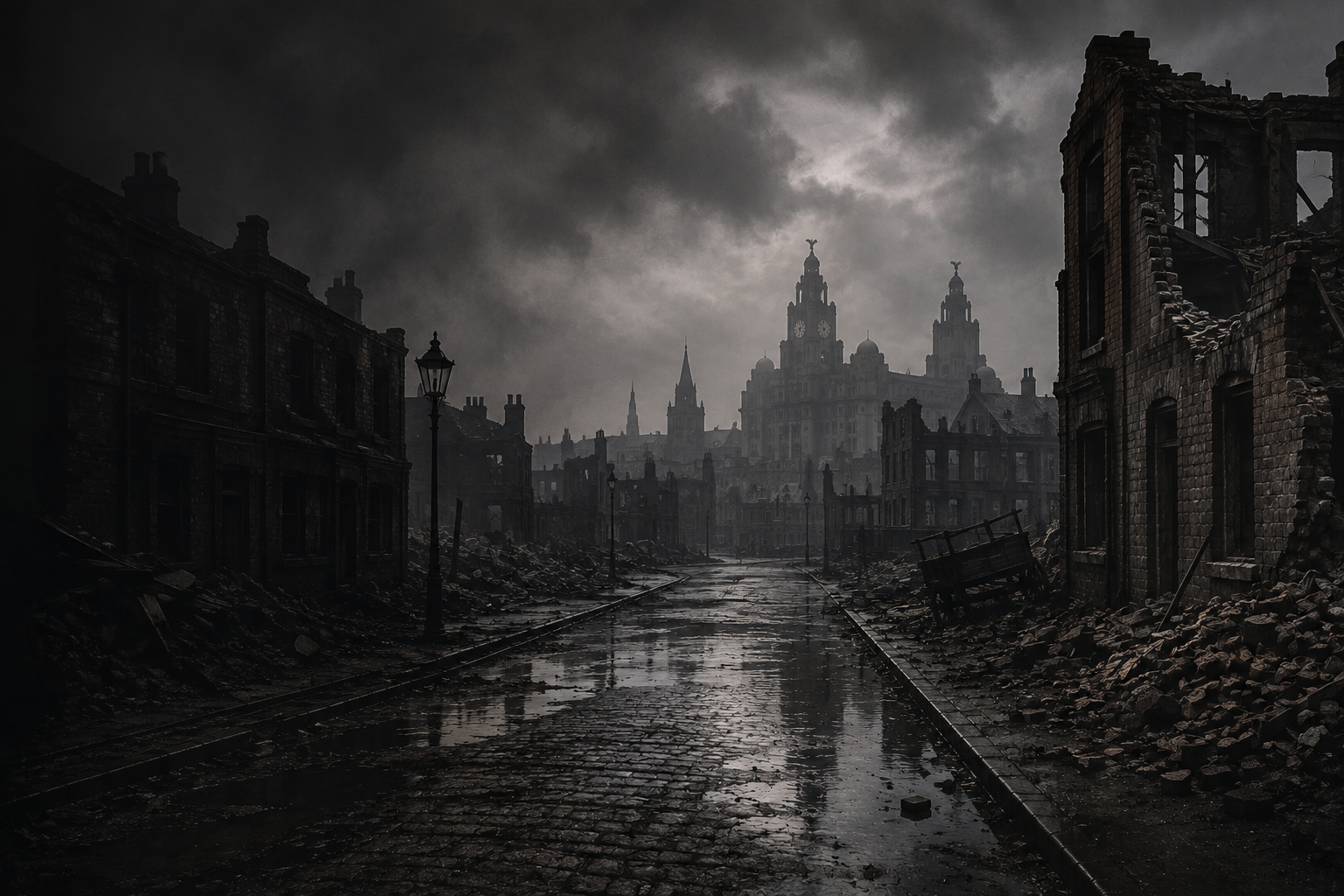
THE HOLLOWS · BOOK III
THE CLEANSING
He survived the war. Coming home was another matter.
Liverpool, 1945.
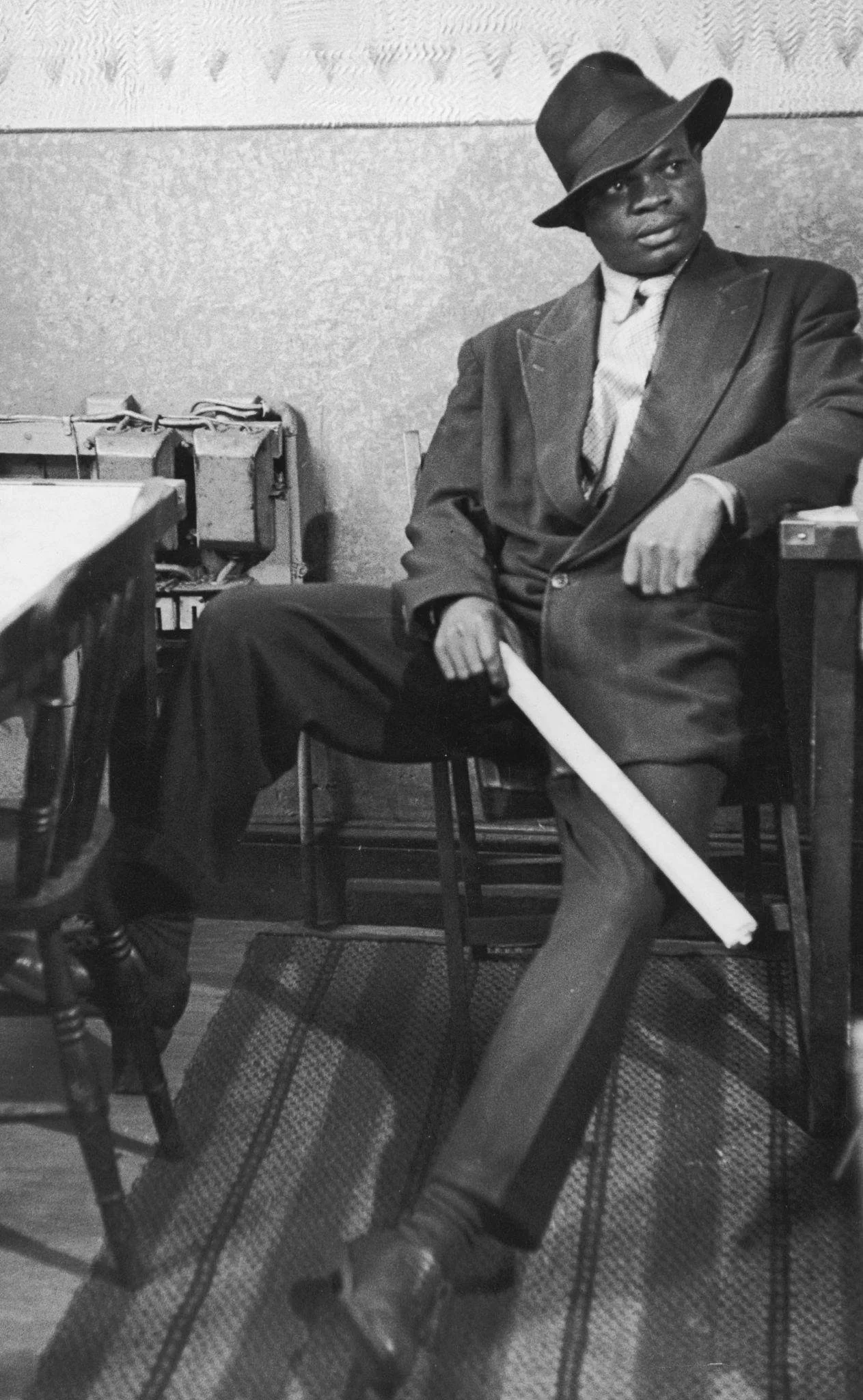
Reuben Wakefield returns from war carrying a medal, an injured eye and the expectation that the country he fought for might finally have a place for him.
Instead, doors close.
Work is refused. Rooms disappear. Suspicion follows him through streets he once called home.
And eventually, Reuben finds himself behind the walls of The Hollows — where prejudice can be written into a ledger and cruelty given the language of treatment.
But The Hollows has forgotten something.
The Wakefields have been here before.
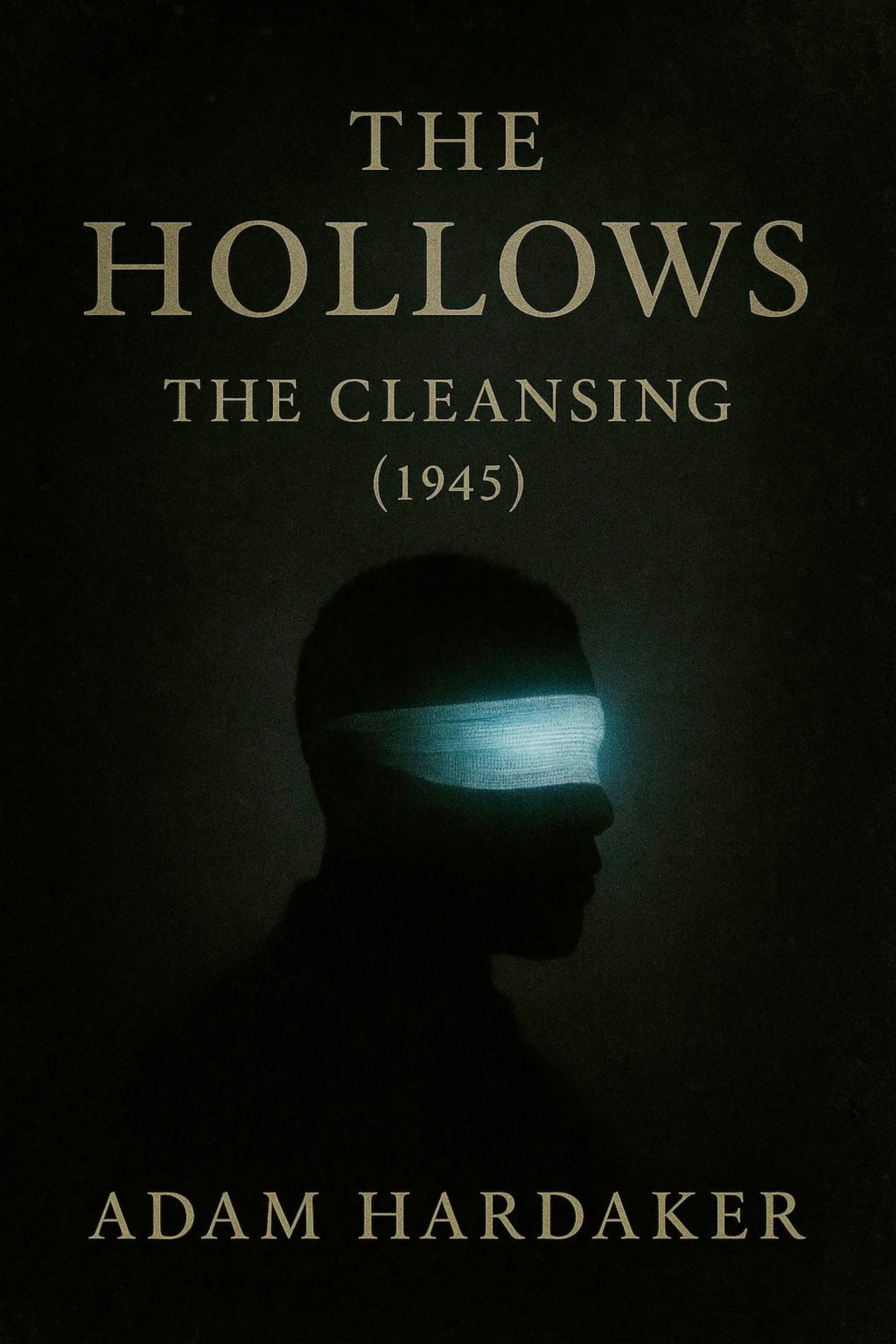
THE HOLLOWS · BOOK III THE CLEANSING · HISTORICAL FICTION · DARK FICTION · 1852

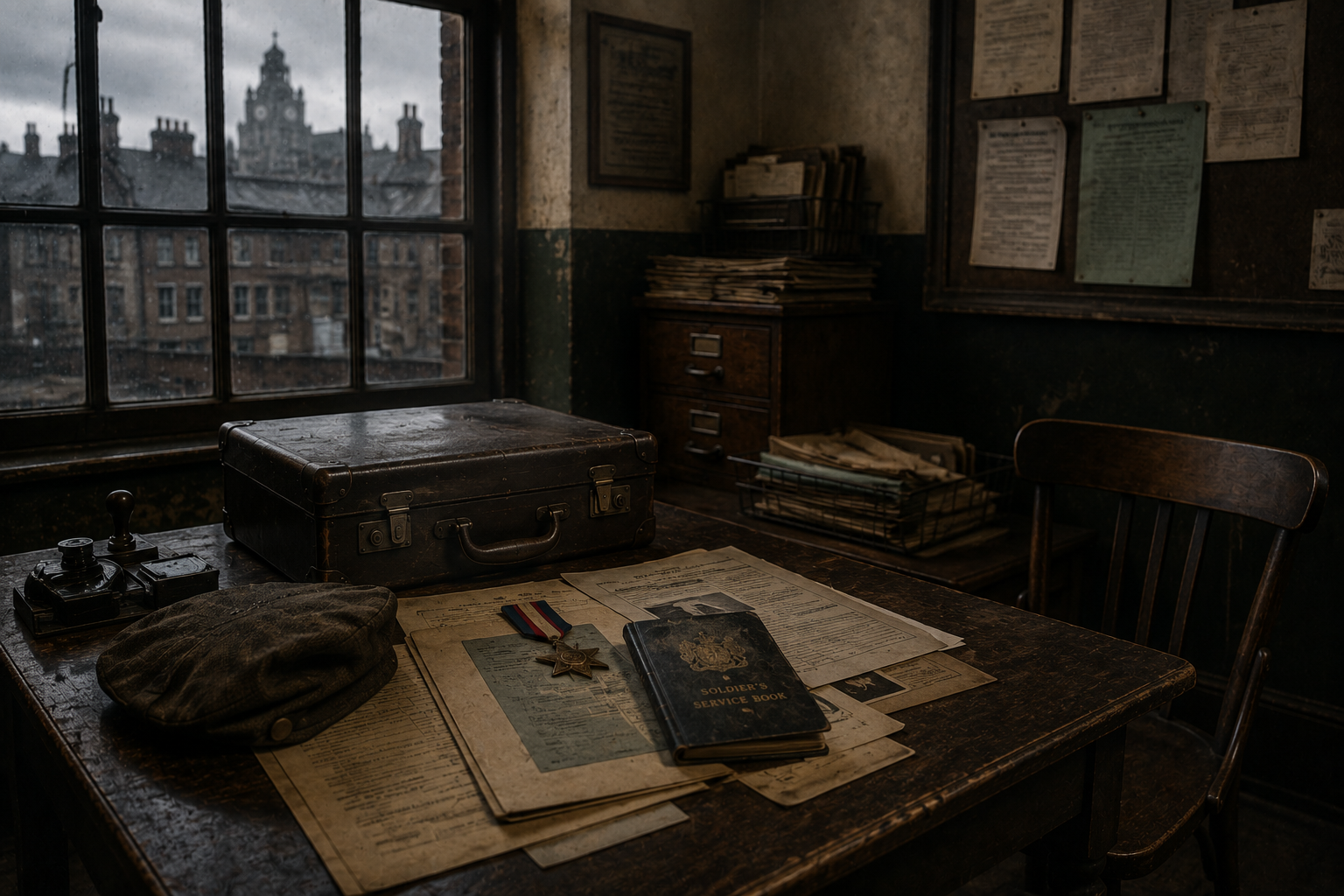
THE STORY
HE CAME HOME TO A COUNTRY HE'D FOUGHT FOR.
The war is over. For Reuben Wakefield, the fight isn't.
Liverpool, 1945.
Reuben returns home carrying the evidence of what he has given — and expecting little more than the chance to begin again.
But the city he returns to does not welcome him equally.
Work is refused. Doors close. His service counts for less than the colour of his skin.
And when prejudice, authority and circumstance finally lead him to The Hollows, Reuben discovers another institution convinced it has the right to decide who he is.
Except his name has been inside these walls before.
The Hollows remembers the Wakefields.
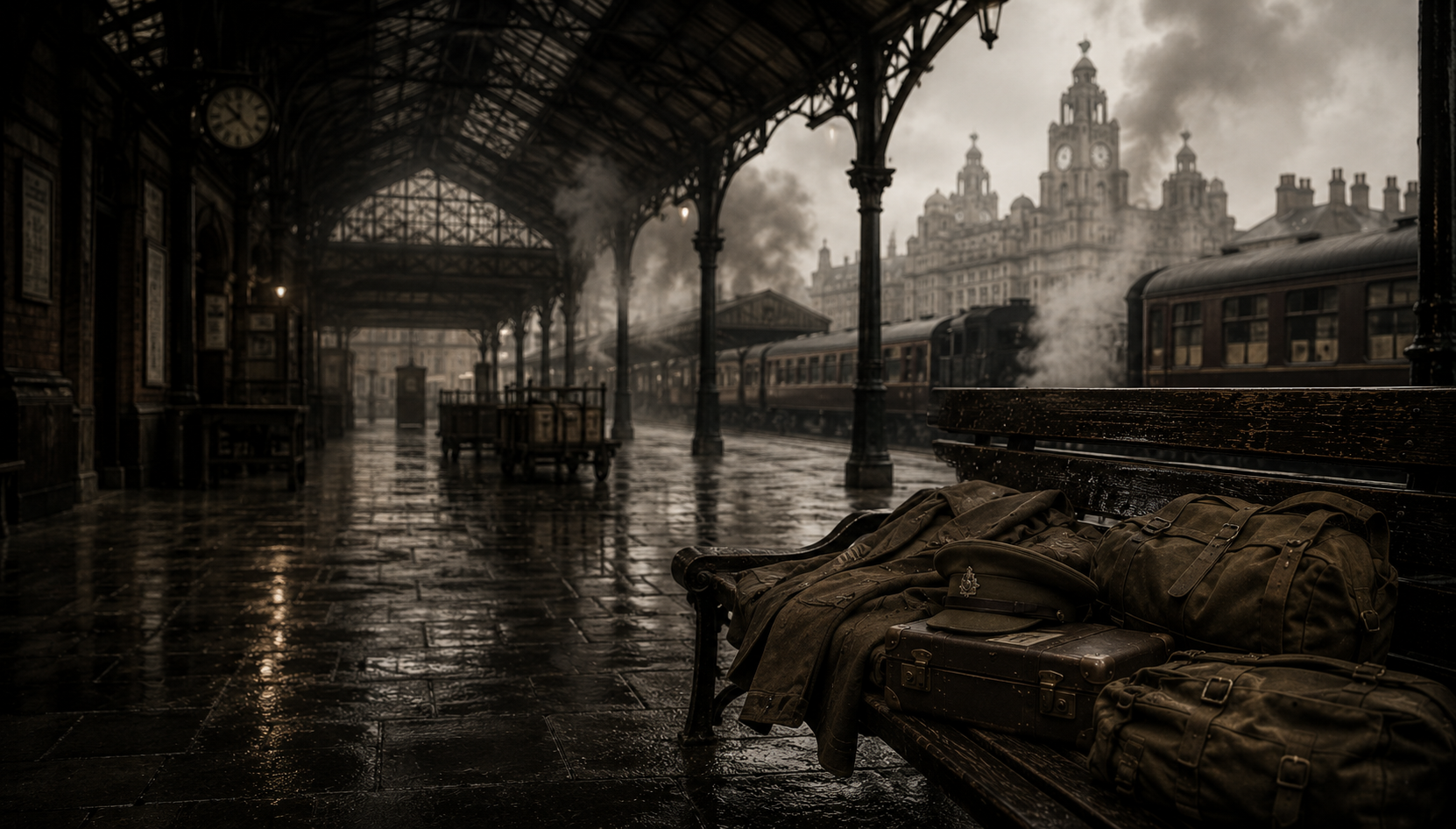
IT'S NOT REALLY ABOUT WAR.
Well... not entirely.
War brings Reuben Wakefield home.
It gives The Cleansing its scars. Its anger. And a country trying to work out what comes next after years of violence.
But this isn't a story about battles.
It's about what happens when a man can fight for his country and still have to prove he belongs in it.
The uniform comes off.
The medal gets put away.
And the respect Reuben earned disappears remarkably quickly when people see the colour of his skin.
Doors close. Opportunities vanish. Prejudice finds respectable words to hide behind.
Eventually, that same judgement follows him through the doors of The Hollows.
Because institutions don't exist separately from the world outside them.
They carry its assumptions inside.
Reuben survived a war abroad. Coming home showed him another one.

INSIDE THE HOLLOWS
SOME MEN CAME HOME TO A COUNTRY THAT STILL DIDN'T ACCEPT THEM.
The war ended. The prejudice didn't.
In the world of The Cleansing, Reuben Wakefield returns home after fighting for a country that still judges him by the colour of his skin.
Outside The Hollows, doors close.
Inside it, prejudice becomes something more dangerous.
It can be recorded. Labelled. Given authority.
A man's anger can become evidence against him. His resistance can become a symptom. And the people making those judgements rarely have to question the assumptions they brought through the doors with them.
For Reuben, the question isn't simply whether The Hollows can understand him.
it's whether a system built on prejudice ever intended to.
WHY I WROTE IT
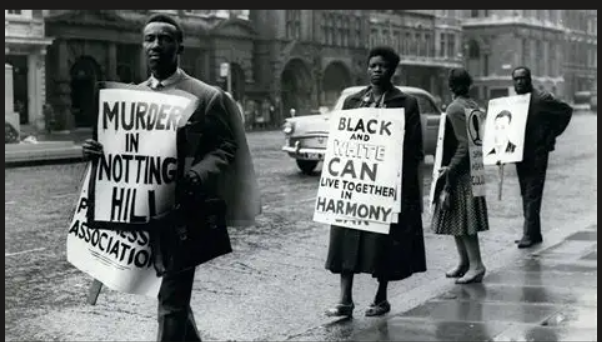
Because Liverpool has always been shaped by people who came from somewhere else.
BEHIND THE BOOK
Liverpool likes to tell its story as a city that looks outwards.
And it should.
For generations, people have arrived here from across the world. They worked on our docks, sailed from our port, fought in our wars, built communities, raised families and helped shape the culture and identity of the city we recognise today.
The same is true of Britain.
We've relied on people from different countries, cultures and backgrounds when we've needed workers, soldiers, carers, builders and countless others.
But our history also contains an uncomfortable contradiction.
We haven't always treated those people as though they belonged here.
That was something I wanted to explore through Reuben.
He fights for his country. He comes home having done everything that could possibly be asked of him. Yet the uniform that made him useful doesn't protect him from the prejudice waiting underneath it.
And that isn't simply history.
We still have conversations about immigration and belonging that can reduce people to numbers, labels or where they came from, while forgetting the contribution of the human being we're talking about.
The Cleansing isn't me pretending Liverpool has always got multiculturalism right.
It's almost the opposite.
It's about recognising how much of our city was built by people we haven't always been very good at recognising in return.
— Adam

AT THE HEART OF THE STORY
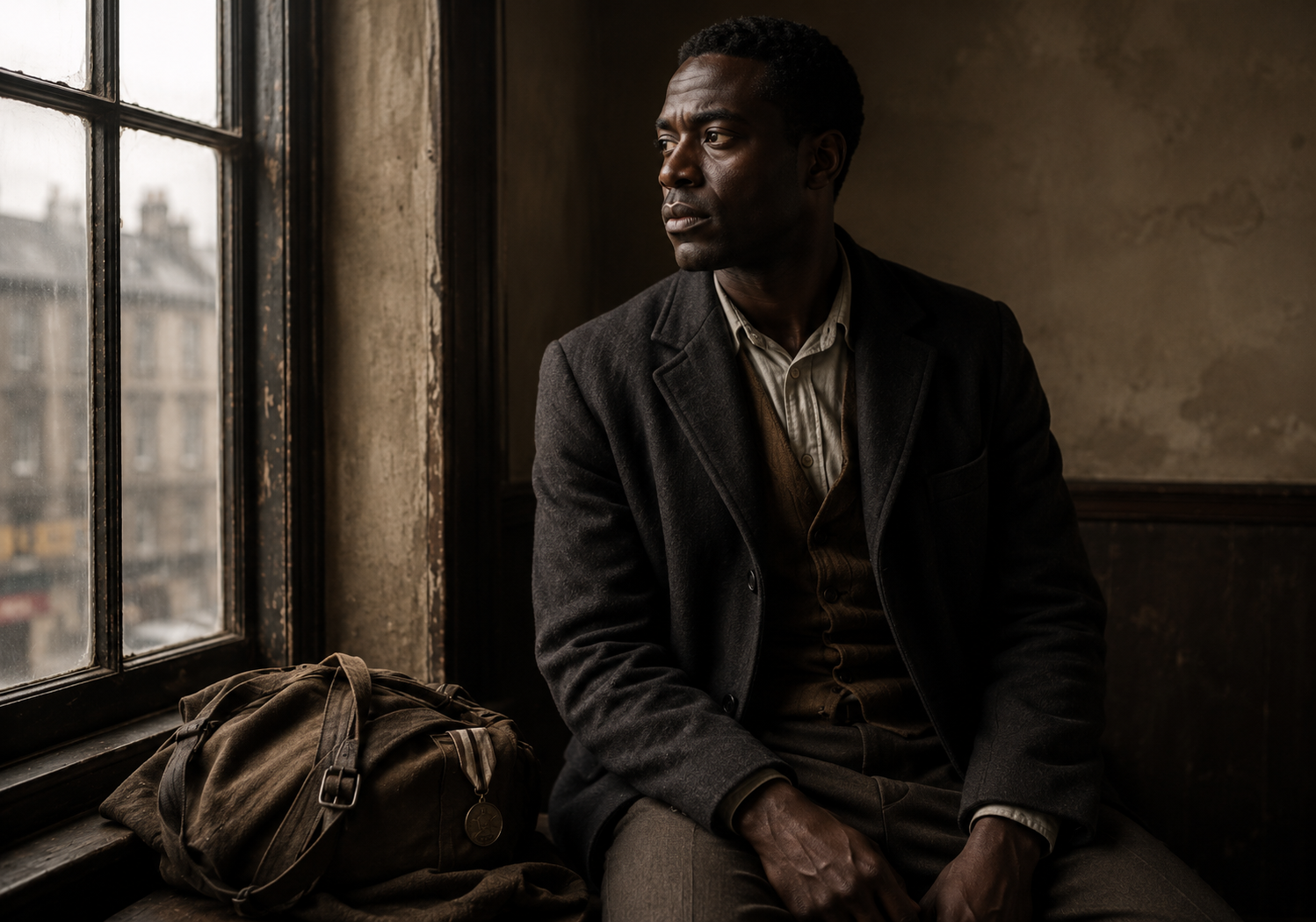
REUBEN WAKEFIELD
He fought for his country.
Coming home showed him how little that could mean.
Reuben returns to Liverpool having survived a war.
He carries the evidence of his service with him.
A medal. An injured eye. Memories he'd rather leave somewhere else.
What he doesn't expect is to discover how quickly the respect attached to a uniform can disappear once the uniform comes off.
Work is refused. Doors close. The country he fought for suddenly seems less certain that he belongs in it.
Eventually, that journey takes him to The Hollows.
And there, Reuben finds himself being defined again - this time by people with the authority to put their judgement into a record.
But Reuben carries something else with him.
His name.
A name The Hollows has encountered before.
Before The Hollows could decide who he was,
Reuben Wakefield reminded it who had come before him.
DON'T TAKE MY WORD FOR IT.
ENTER THE HOLLOWS.
Read a little of The Cleansing for yourself.
Reuben Wakefield walked those streets with his duffel bag slung on one shoulder, his patched eye itching, his medal dull in the grey light. He walked upright, as he always had - broad back, long stride - but the city’s eyes dragged him down.
People looked through the medal and saw only his skin. They looked through the patch and saw only weakness. He was a soldier without a homecoming.
The docks were crowded every morning, men jostling for shifts. Reuben queued with them, cap low, papers in hand.
The clerk barely looked at him. “Name?”
“Reuben Wakefield.”
“Experience?”
“Dock work. Sugar. Coal. Crates. Heavy loads-”
The clerk glanced up properly. His eyes caught on the patch. Then on Reuben’s skin. The pen stopped. “No vacancies.”
Reuben’s jaw clenched. “But the man before-”
“Move along.”
At a warehouse on Vauxhall Road, the foreman spat at the ground. “Don’t hire coloureds.”
At a factory near the Strand, the man shook his head without words, closing the door before Reuben finished speaking.
By nightfall his stomach cramped with hunger, his hands trembled, and his head pounded with the echo of “no.”
Boarding houses were worse.
He found one near Scotland Road. Paint flaked from the brick, the door sagged on its hinges. He knocked, cap in hand.
The landlady opened - stout, arms folded under a flour-dusted apron. She looked him up and down. The medal. The patch. The skin.
“No rooms.”
“I pay fair.”
“No coloureds.” She slammed the door.
The word hit heavier than wood.
He fought for a country that called him a soldier.
He came home to a city that saw something else.
THE HOLLOWS
Some things survive long after the world believes it has moved on.
Reuben Wakefield's story belongs to another chapter of The Hollows.
But the institution survives.
The war ends. Britain changes.
Old certainties begin to be questioned.
New generations walk through the same doors.
The language changes. The records grow. And once again, people convince themselves that what came before could never happen now.
But The Hollows remembers.
And history has a habit of surviving in places that would rather forget it.
THE STORY CONTINUES.
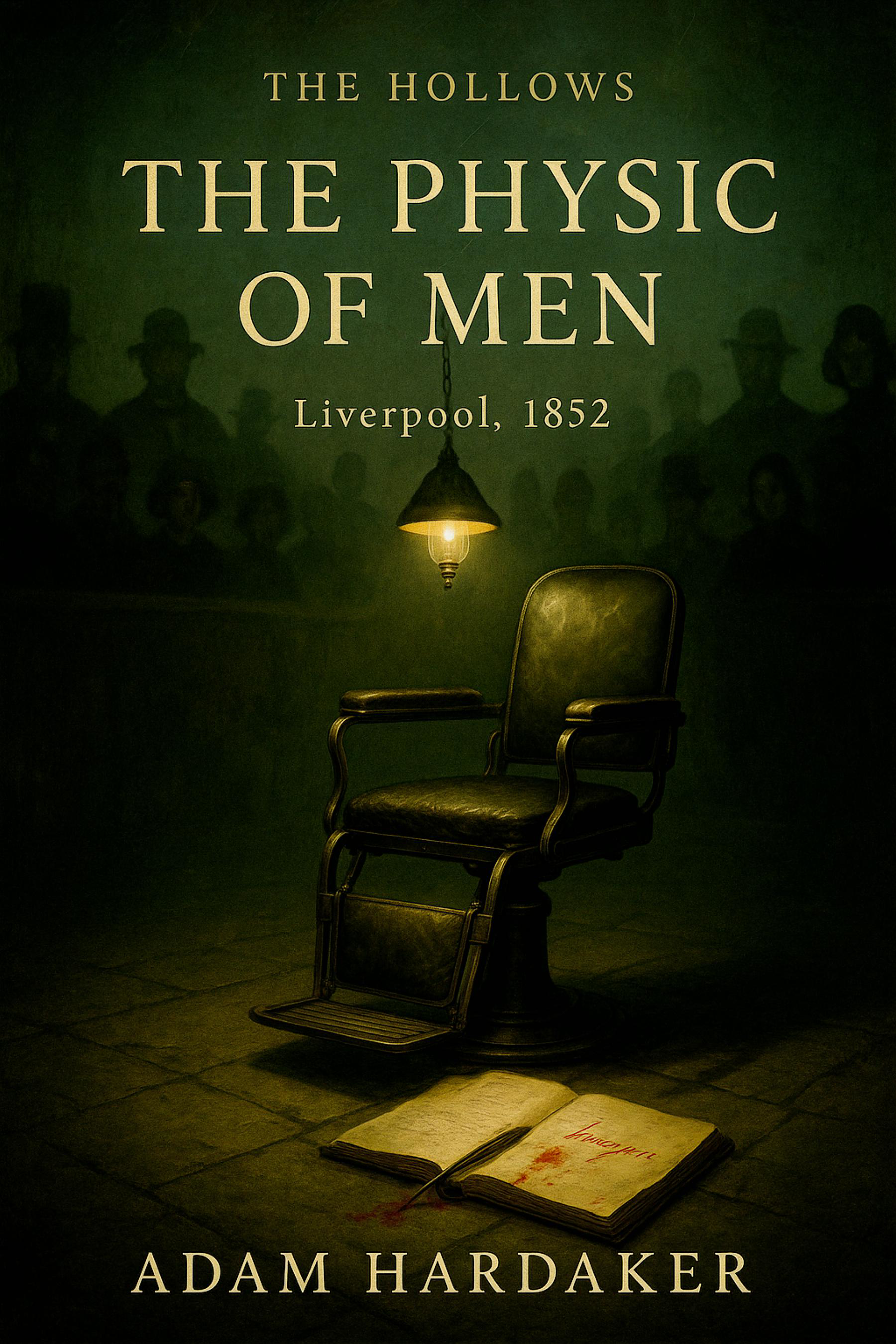
II — THE PHYSIC OF MEN
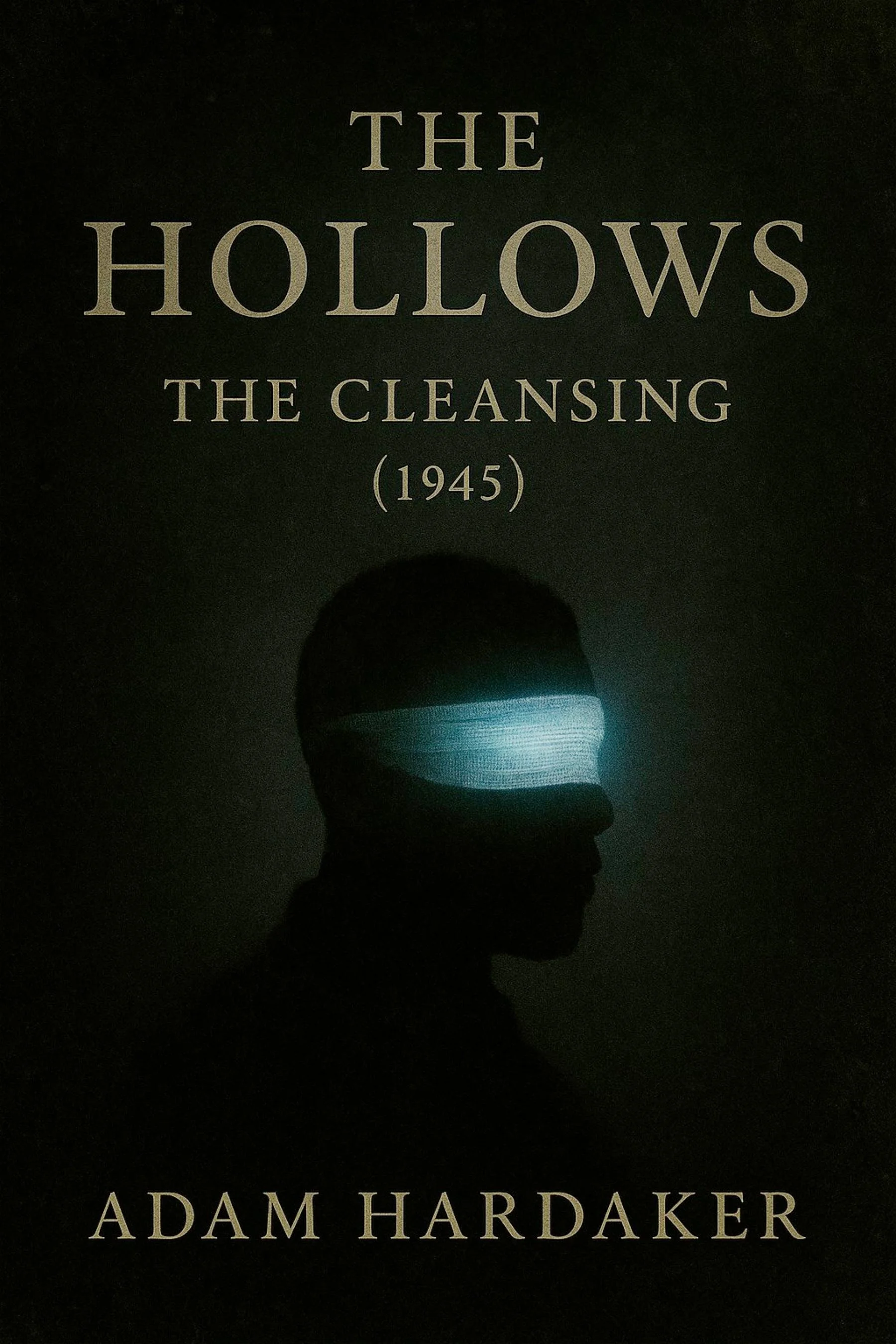
III — THE CLEANSING
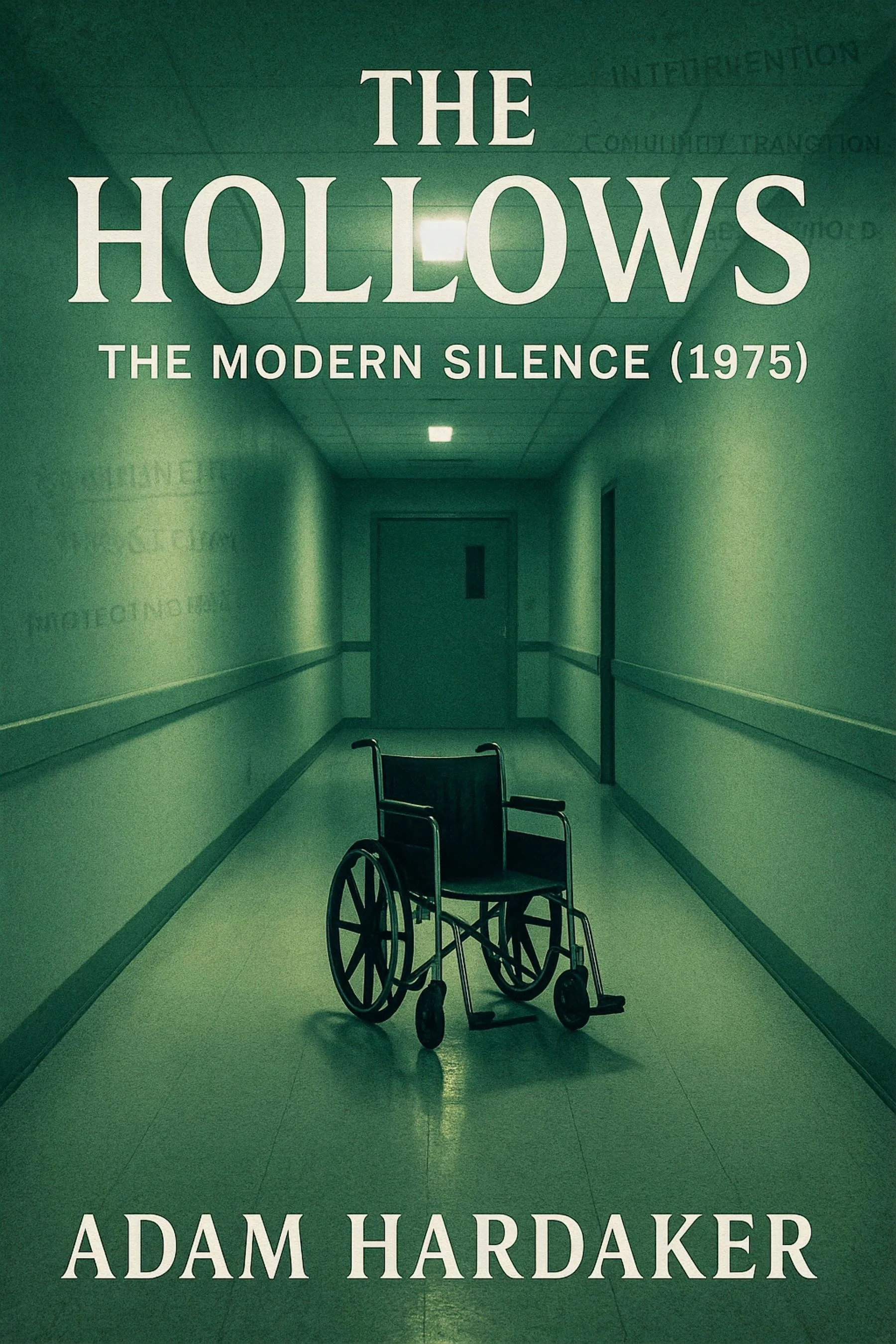
IV — THE MODERN SILENCE
The war ended. The Hollows didn’t